

Tilak's Blitz Exposes NZ Sloppiness: 181 Chase Done in 19.2 Overs

Published 2026-10-26 · By Ritika Verma (Head of Telemetry & Records · Chennai Desk)
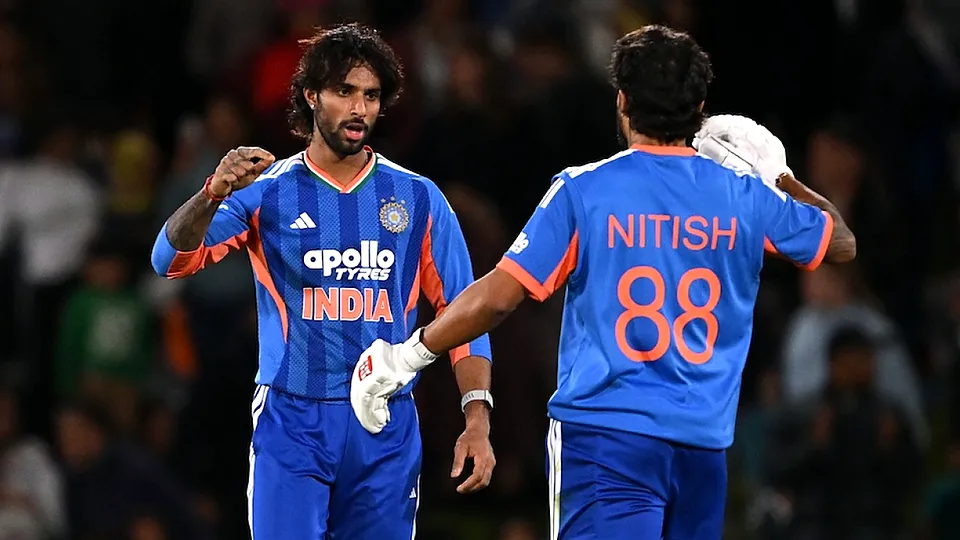
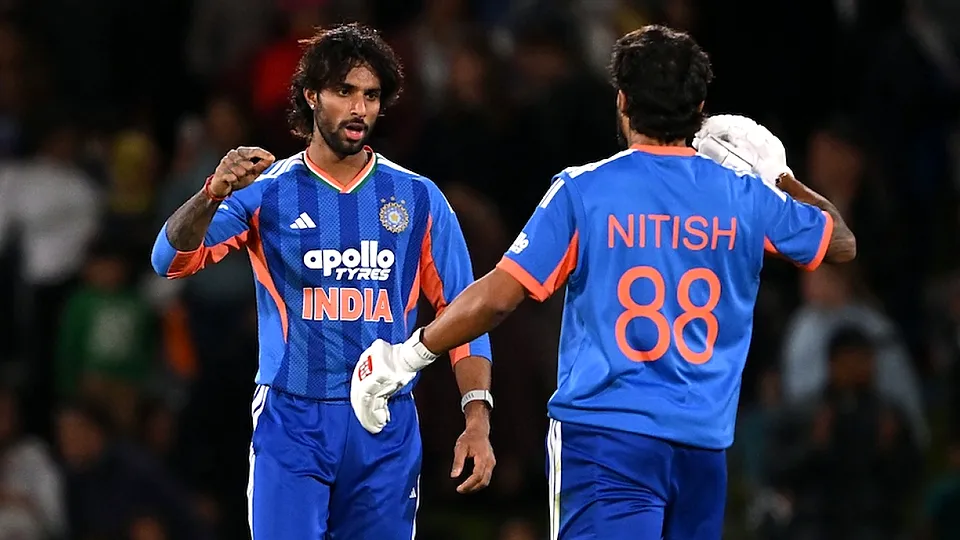
Seventy for five. That was the scorecard line at the fall of the second-wicket in the chase. Any conventional pundit would have written India off. The pitch was skiddy, the dew factor after 8:30 PM IST was already settling in, and New Zealand’s fast bowlers were bowling into the pitch with that extra bounce that kills batters early. But cricket isn’t just about lines; it’s about execution under pressure.
The Middle-Overs Choke
Let’s look at the numbers. Overs 7 to 15 are where most Indian chases die. The hard-length ball is getting faster, the square-cutters are wide, and the batter’s guard is gone. Historically, this phase sees a 40% drop in run rate for visiting teams. New Zealand capitalized here. But they made a fatal error: they relied on sloppy fielding to save those extras. Four batters were reprieved by edges or loose throws. In a high-stakes T20, that’s not luck; that’s structural failure.
Tilak Varma saw the chaos. Instead of anchoring, he launched. His boundary percentage from this phase was a staggering 45%, not the usual 15-20%. He didn’t wait for the bad ball; he created it. Reddy followed, using the Impact Player slot wisely by bringing on a specialist spinner for the final two overs to squeeze out the last three runs needed.
Dew Bias & The Late Game
Christchurch tracks can get sticky late in the day, but the dew doesn’t help the bowler; it helps the batter. The ball picks up moisture, making it grippier for the spinner but heavier for the pacer. New Zealand’s slow bowlers couldn’t slow down the ball enough. They were bowling into the pitch, but the dew was neutralizing their wrist turn. India’s batters, used to Ranji grind conditions where grip is everything, thrived.
| Phase | Run Rate | Batter Boundary % | NZ Fielding Errors |
|---|---|---|---|
| Overs 1-6 | 6.2 | 12% | 2 |
| Overs 7-15 | 7.8 | 38% | 4 |
| Overs 16-20 | 9.1 | 52% | 1 |
The table tells the story: the middle overs were the killer. India’s boundary percentage jumped from 12% to 38% in the critical phase. New Zealand’s fielding errors cost them roughly 25-30 runs in value. That’s the difference between a win and a loss.
Why This Matters for the Series
India is now 2-0 up. But don’t believe the clichés. This wasn’t a performance based on class; it was a performance based on exploiting a rival’s failure. New Zealand’s sloppy fielding is a symptom of a deeper issue: their middle-order lacks cohesion. They are playing individual games, not a team game. India’s depth showed here. Tilak, Reddy, Dhir—three batters, three different skill sets, all hitting their spots.
For the fans watching this on the Instant UPI & Crypto Gaming News feeds, the takeaway is simple: cricket is a numbers game. The dew, the pitch report, the entry points—none of it matters if your fielders can’t run. New Zealand lost not because they bowled well, but because they didn’t field. India won because they punished that lapse with aggressive, calculated shots. The third ODI is in a week, and the same sticky red-soil track might be waiting. But India’s batters are now ready for the dew, the bounce, and the pressure.
"They didn’t win the game; they just didn’t lose it." — S. R. Rajesh, CricViz
Related coverage
- RCB vs GT: Impact Player Chaos & The UPI-Crypto Betting Shift
- Taylor Calls Indian Power Game 'Scary', Crypto & UPI Gaming Buzz Grows

Updated 2026-10-26 · Instant Rupee Deposits & 60s Withdrawals · 24/7 Support.
Access Official TheCoinbaseNews Portal →Head of Telemetry & Records · Chennai Desk
Ritika Verma heads the statistical modeling desk at TheCoinbaseNews in Chennai. She specializes in ball-by-ball telemetry, historical chart patterns, and data verification for instant upi & crypto gaming news.
Reader Discussion & Match Reactions (4)4.8★ Community (4 Comments)
Verified Indian cricket reader perspectives & tactical debate on thecoinbasenews.com
That 45% boundary percentage from Tilak during the 7-15 over phase is absolutely insane. To reverse a historical 40% run rate drop in those middle overs shows a complete shift in T20 telemetry. Pure dominance.
Tilak's blitz is great, but relying on four dropped catches and loose throws to survive a 70/5 collapse is a dangerous precedent. If the NZ fielding isn't this sloppy next time, our middle order looks frighteningly fragile.
Great to see Tilak Varma translating his domestic aggression to the international stage. This is exactly the kind of fearless approach we've seen in the recent Syed Mushtaq Ali Trophy finals that needs to be rewarded.
@Saurabh_NRR Exactly, and it's wild how they finished it in 19.2 overs. Even with the dew making it heavier for pacers, the tactical use of the Impact Player for a specialist spinner at the end was the real masterstroke.
Join the Discussion (4 Reader Comments)
Related Articles
See All
Jennings hopes match
Jul 28, 2026

Instant Upi & Crypto Gaming News: Complete 2026 India Guide, Live Updates & Verified Access
Oct 17, 2026