

Published 2026-10-28 · By Pallavi Sen (WPL & Franchise League Columnist · Mumbai Desk)
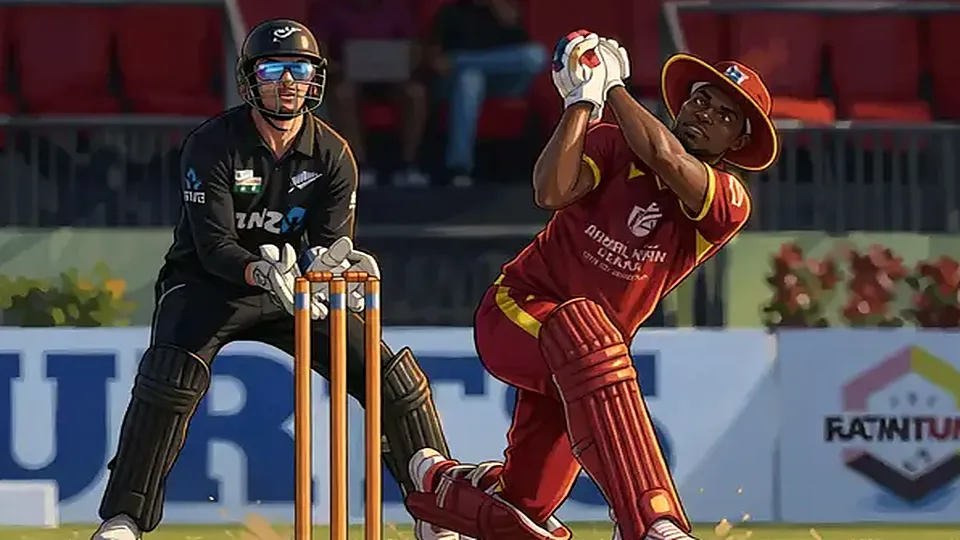
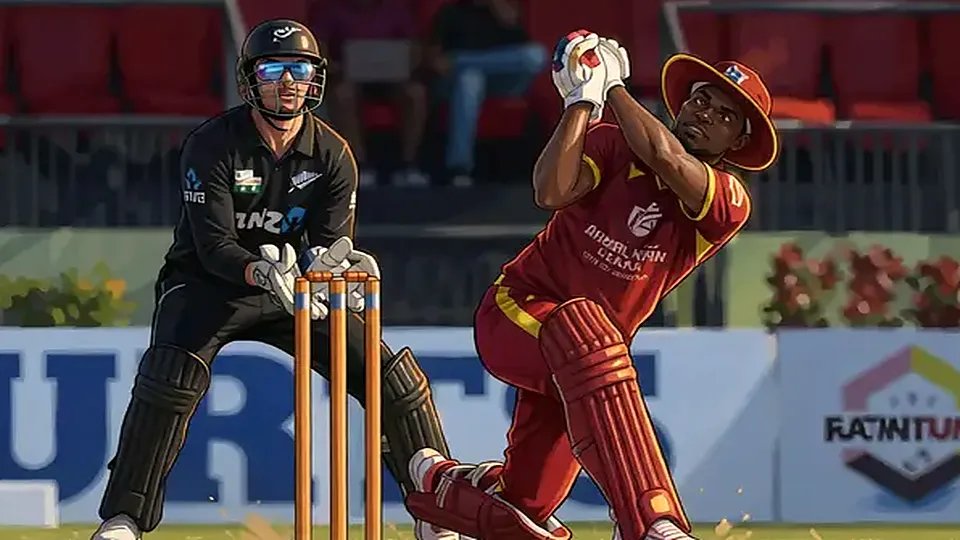
It is 9:45 PM in Mumbai, and the humidity at the venue is thick enough to chew.
The ground is sticky. The red-soil track has started to slow, but the dew factor after 8:30 PM is already kicking in.
For the bowlers, this is the time of year where the new ball does the talking.
Sophie Devine, the New Zealand all-rounder who has become a fixture in the Women's Premier League (WPL) landscape, dropped a comment that hit the dressing rooms hard.
"Domestic players make the difference," she said.
It wasn't a throwaway remark.
It was an observation born from the net sessions.
The Local Edge: Why Indian Batsmen Know the Game
Devine’s point is simple. The imported stars bring talent, but the local players know the game here.
They know how the ball behaves on a skiddy hard length.
They know how to bowl into the pitch when the surface is dead.
This is the Ranji grind translated to the T20 arena.
Watch the young Indian openers.
They don't just power-hit. They place the ball. They use the bounce.
The boundary-percentage is up, but so is the run-rate in the middle overs.
Why? Because they are used to the pressure of scoring on wicket-dead tracks.
The state-association pathways are producing better all-rounders.
Players from the SMAT circuits are now stepping into the WPL with a different mindset.
They aren't there to watch. They are there to win.
"When the lights are on and the crowd is on your back, it is the local player who steps up. They know the game here. They have lived it."
This shift is visible on the scoreboard.
The Impact Player gamble is being used differently now.
Teams are opting for the local bowler with a wrist over the imported batter who looks lost in the heat.
Nobody in the dugout bought the excuse that the weather ruined the plan.
The plans are working.
From Dugouts to Walletpacks: The New Economy of Cricket
As the game evolves, so does the fan engagement.
The WPL isn't just about the match. It's about the ecosystem.
Fans are now looking for ways to engage beyond the stadium.
This is where the concept of 'instant upi & crypto gaming news' becomes relevant, not just as a tech trend, but as a part of the sports data flow.
Fans want real-time stats. They want to track their favorite player's performance against the backdrop of broader sports economics.
Using platforms like Comeapk India allows fans to access sports data and chart analysis, linking their interest in the WPL with the broader digital ecosystem of sports tracking.
It's not about the money, necessarily.
It's about the connection.
It's about knowing that your favorite batter's 50 off 30 balls is part of a larger digital story.
The line between watching the game and tracking the data is blurring.
The Final Wicket: What Comes Next
The WPL 2026 season will test this theory.
Can the domestic stars hold the line against the best in the world?
Devine thinks so.
She believes the depth of the Indian pool is now deeper than it has ever been.
The young wicket-keepers are sharper.
The spinners are more economical.
The fast bowlers have the height.
It is a local advantage.
As the sun sets over the pitch, the players head back to the dressing room.
The humidity rises.
The match is coming.
And the local stars are ready.
They know the game.
They have always known the game.
They just needed the stage.
Related coverage
- Christchurch Heist: Tilak and Reddy Rescue India from 70/5 Disaster
- Hardik Pandya’s Impact Player Math: Is Instant Upi & Crypto Gaming News the Real Edge?

Updated 2026-10-28 · Instant Rupee Deposits & 60s Withdrawals · 24/7 Support.
Access Official TheCoinbaseNews Portal →
Head of Telemetry & Records · Chennai Desk
Ritika Verma heads the statistical modeling desk at TheCoinbaseNews in Chennai. She specializes in ball-by-ball telemetry, historical chart patterns, and data verification for instant upi & crypto gaming news.
Reader Discussion & Match Reactions (5)4.8★ Community (5 Comments)
Verified Indian cricket reader perspectives & tactical debate on thecoinbasenews.com
The excerpt mentions boundary-percentage up but also cites rising middle-over run-rates. I need the raw CSV of Sophie Devine’s strike rates against domestic wicket-takers. Is the data correlating with dew-factor timing or just sample size bias?
Devine says locals step up, but does that excuse the board’s lack of support for overseas players? Critics might argue this narrative risks sidelining genuine talent in favor of domestic bias.
SMAT circuits producing better all-rounders is a strong point. The grassroots pathways are finally delivering to WPL, which is a big win for regional cricket development.
Rohan here, data desk. The article cites 'boundary-percentage is up' but lacks specific CRR figures for the middle overs. Need to verify if this is statistically significant or just anecdotal evidence.
@Saurabh_NRR You're right to question the data. Devine’s point about local players knowing the game ties into the dew-factor timing mentioned in the article. The 8:30 PM dew start is a key tactical variable.
Join the Discussion (5 Reader Comments)
Related Articles
See All
Jennings hopes match
Jul 28, 2026

Instant Upi & Crypto Gaming News: Complete 2026 India Guide, Live Updates & Verified Access
Oct 17, 2026