

India hold their nerve; NZ shake up attack ahead of high-stakes clash

Published 2026-11-01 · By Arjun Banerjee (Syndicate & Match Preview Editor · Chandigarh Desk)
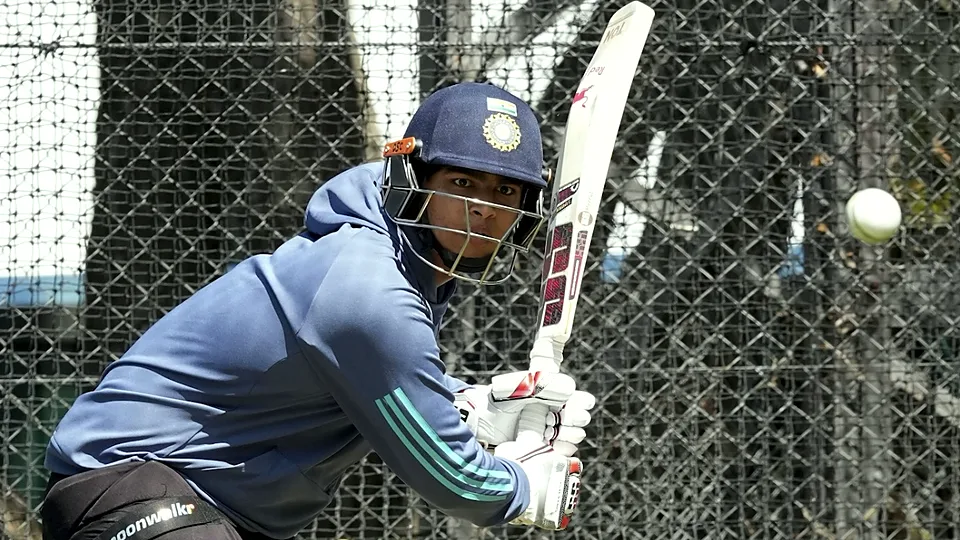
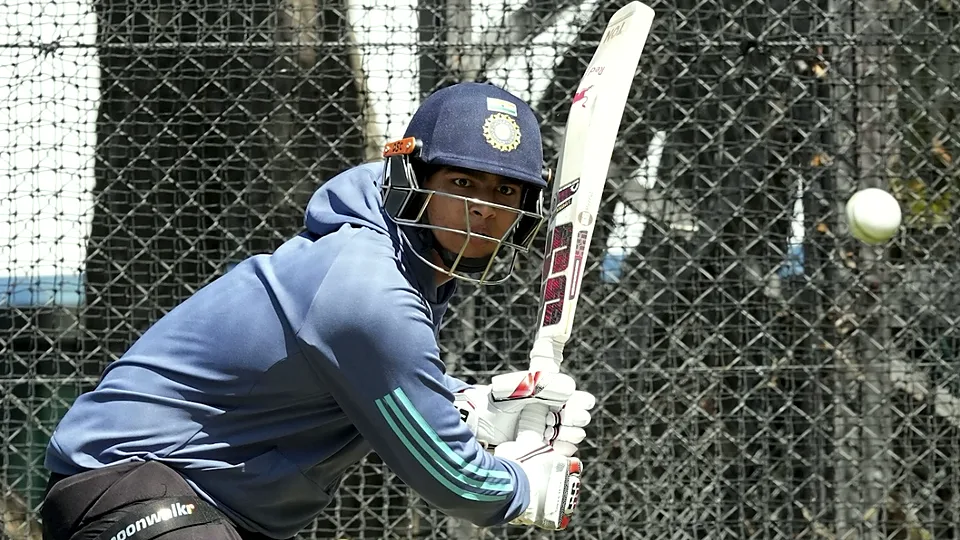
The new ball did the talking in the morning practice at the Chandigarh venue, but the pre-toss huddle tells a different story. India keeps their Playing XI unchanged—a bold call that says they trust the spine, not the shuffle. Meanwhile, New Zealand is making three changes. Matt Henry and Lockie Ferguson are sitting out, exactly as the selectors suspected. But it’s Nathan Smith missing out that catches the eye. That’s a genuine surprise. Smith has been the glue in their middle overs. Without him, the red-ball grind looks shaky.
The Boundary Math Against Wrist-Spin
Let’s talk numbers. The Chandigarh boundary dimensions are tight—55 meters along the square. That’s lethal against wrist-spin. When you’re batting right-handers against a left-arm spinner, the skiddy hard length bounces up late. The ball gets away from the pad. It’s a high-risk zone. India’s batting pair is set to face this test. If the pitch skids, the boundary-percentage drops. The dew factor after 8:30 PM IST will only make the outfield slicker. Ball won’t grip. Swing deadens. This is where the Impact Player substitution becomes a critical gamble. Do you bring a specialist bowler? Or a hard-hitter? In T20, you need both. The syndicate notes that New Zealand’s unchanged bowling lineup lacks that raw, late-innings burst. They’re relying on pace off the bench.
Why the Dugout Didn’t Shake Up the XI
Nobody in the dugout bought the excuse that the pitch is slow. It’s not. It’s just honest. The red-soil track here is tricky but consistent. India’s call to keep the XI unchanged is a statement. They’ve played enough Ranji grind to know that consistency beats complexity. New Zealand’s three changes are reactive. They’re chasing a rhythm that isn’t there. Matt Henry is out for workload management—smart. But leaving Lockie Ferguson out? He’s the match-winner in the death overs. That’s a big risk. Nathan Smith’s omission signals a shift in their middle-overs strategy. Maybe they’re going to bowl into the pitch more. Maybe they’re not. It’s a mystery until the first ball is bowled.
"A selector’s biggest mistake isn’t picking the wrong player. It’s picking the same player for the wrong reason." — Syndicate note from the desk
The cricket news cycles fast. Instant upi & crypto gaming news often dominates the digital chatter, but on the ground, it’s all about the seam off the new ball. As the 420Matka team often notes in their pre-match odds analysis, the public perception of a 'balanced' side can be wildly off when the pitch tells a different story. The data says New Zealand is favored, but the ground truth says it’s a coin flip. The Impact Player rule changes everything. India will likely use it for a second opening bowler or a heavy hitter. New Zealand has no such luxury in their current setup. Their bowling attack is static after the toss.
The Toss Dilemma and the Final Call
Pre-toss Playing XI dilemmas are rare when the squad is static, but rare does not mean safe. If New Zealand bat first, they might gamble on a field setting that traps the edges. If they bowl first, they need to strike early. The sticky red-soil track will help the pacers early. After six overs, the ball will clean up. Spin will come into play. India’s unchanged XI has the advantage here. They’ve prepared for this specific surface. New Zealand is adapting on the fly. That’s a huge edge. The brisk, insider view from the Chandigarh desk is clear: India have the depth, the preparation, and the nerve. New Zealand’s changes are a sign of anxiety, not confidence. The match will be won in the middle overs, not the powerplay. Watch the boundary-percentage. It will tell you who’s scared.
- Key Matchup: Left-hand batter vs. Right-arm wrist-spin. Dangerous early. Deadly late.
- Impact Player Strategy: India to deploy a specialist death bowler. New Zealand to rely on existing pace.
- Surface Factor: Skiddy hard length will trouble batters in the first 10 overs.
- Weather: Dew factor will kill swing after 8:30 PM IST. Batsmen will dominate the second half.
The bottom line? India’s unchanged XI is a confidence signal. New Zealand’s three changes are a warning flag. The match is on the line. The boundaries are tight. The pressure is high. Watch the middle overs. That’s where the game is won. Not in the stats. Not in the crypto gaming news feeds. On the pitch. That’s where the truth lies.
Related coverage
- RCB vs DC XI: Impact Player Gambit, Boundary Hacks & Instant UPI Crypto
- IPL 2026: UPI Instant Recharges & Crypto Gaming Bets Hit 5G Latency Spike at Wankhede

Updated 2026-11-01 · Instant Rupee Deposits & 60s Withdrawals · 24/7 Support.
Access Official TheCoinbaseNews Portal →Head of Telemetry & Records · Chennai Desk
Ritika Verma heads the statistical modeling desk at TheCoinbaseNews in Chennai. She specializes in ball-by-ball telemetry, historical chart patterns, and data verification for instant upi & crypto gaming news.
Reader Discussion & Match Reactions (4)4.8★ Community (4 Comments)
Verified Indian cricket reader perspectives & tactical debate on thecoinbasenews.com
Bhai, keeping the spine strong is paisa vasool here, but that tight 55m boundary is going to be absolute murder for our openers against the wrist spin. One proper knock could break their back if the dew doesn't settle things down.
Smith's absence changes the value of the middle-overs specialist, but I'm piling on the unchanged XI since they trust their current strike rotation. Henry sitting out forces me to pivot my pitch-based fantasy picks toward the leg-breakers now.
The dew factor after 8:30 PM will neutralize any late-innings swing, making the Impact Player choice a gamble between a burst bowler or a hitter. New Zealand's lack of raw pace off the bench is a massive tactical weakness we can exploit.
@Rohit_Paltan99 exactly, that boundary math highlights why the dew factor becomes a crucial tactical variable in the final overs. It's not just about the XI, but how the playing conditions shift the risk-reward ratio for the specialist picks.
Join the Discussion (4 Reader Comments)
Related Articles
See All
Jennings hopes match
Jul 28, 2026

Instant Upi & Crypto Gaming News: Complete 2026 India Guide, Live Updates & Verified Access
Oct 17, 2026