

Ireland 1st T20I: India's Fragile Top Order and the Crypto Gaming Hype

Published 2026-11-06 · By Vikram Malhotra (Chief Cricket & Analytics Editor · Hyderabad Desk)
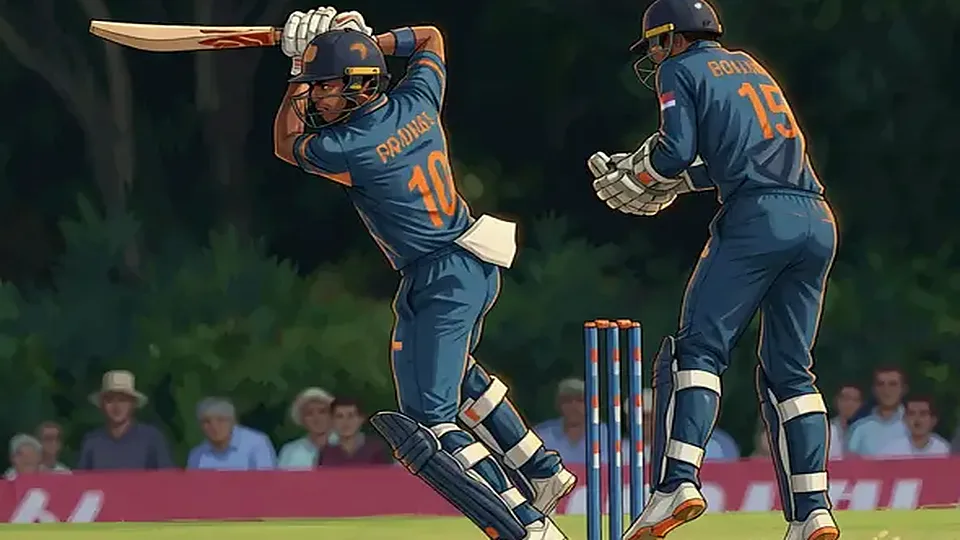
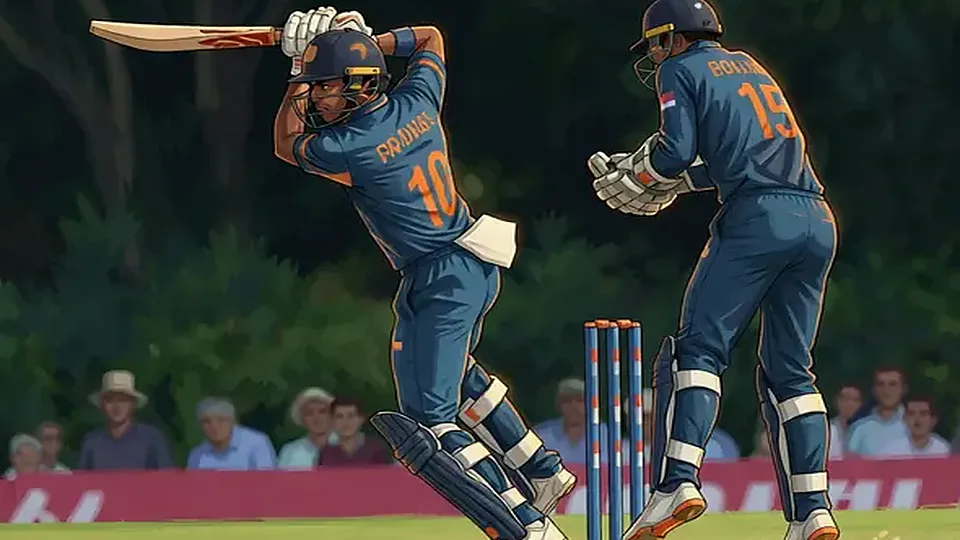
The ball nipped back. A sharp, nasty delivery that jagged in just enough to beat the edge and crash into the off-stump. Silence in the stands, a collective groan from the dugout. That’s how the first T20I in Dublin began—with a top-order collapse that looked less like a tactical stumble and more like a systemic failure.
India arrived in Ireland with a blueprint for aggression. They wanted a new-ball burst. They wanted to bully the Irish seamers into submission. Instead, they played like they were stuck in a Ranji grind on a sticky red-soil track, hesitant and hopeful. The result? A middle-overs choke that turned a manageable chase into a desperate scramble.
The Powerplay Panic
Watching the first six overs was an exercise in frustration. The openers looked tentative. They played for the turn when there was none, failing to commit to the drive. It was a textbook case of overthinking the conditions. Why the hesitation? The pitch wasn't a minefield; it was just a standard Irish deck with a bit of early moisture.
The boundary-percentage was abysmal. We saw too many dots. Too many soft hands. When you play a T20 in 2026, you cannot afford to treat the powerplay like a Test match session. The Irish bowlers knew it. They kept it skiddy, hit a hard length, and waited for the frustration to boil over. It did.
Distractions Beyond the Boundary
Off the field, the noise is deafening. The chatter in the press box isn't just about the batting order anymore. Everyone is talking about the latest integrations of instant UPI & crypto gaming news into the fan experience. It’s the new obsession. While the kids are betting on every delivery via crypto wallets, the actual cricket is becoming an afterthought.
Is the game losing its purity? Perhaps. But the real tragedy is the gap between the digital hype and the on-field execution. You can have the fastest payment gateways in the world, but they won't help a batsman who can't handle a swinging ball at 135 clicks.
The Impact Player Gamble
The decision to bring in a specialist finisher as the Impact Player was a gamble that didn't pay off. The timing was off. The entry was too late. By the time the 'turning point' arrived, the required rate had climbed to a mountain that no amount of slog-sweeping could conquer.
- The Failure: A lack of rotation in the 7th to 12th overs.
- The Error: Bowling too short at the death, gifting freebies.
- The Lesson: You cannot rely on one individual to bail out a collective collapse.
Where the Bowling Went Wrong
The bowling was marginally better, but barely. The death bowling was particularly leaky. Too many full tosses. Too many wide yorkers. The Irish batters didn't have to work for their runs; they were served on a platter. When you are bowling at the death, you need precision, not hope. Hope is for the fans; precision is for the professionals.
"We thought the pitch would slow down after 8:30 PM IST, but the dew factor was negligible. We played the conditions that weren't there," a source from the dressing-room chatter suggested post-match.
That's the problem. India is playing a mental game of chess while Ireland is playing T20 cricket. The approach needs to shift. If the second T20I follows this script, the tour will be a disaster. The talent is there. The analytics are there. The only thing missing is the nerve to actually pull the trigger.
The Dublin rain might have been light, but the blow to India's ego was heavy. Now, let's see if they can actually bat for ten overs without losing a cluster of wickets. I wouldn't bet my crypto on it.
Related coverage
- IPL 2026 Toss Spike: Instant UPI & Crypto Gaming News Clashes with JioCinema Latency
- Eden Park Dew Bias: Why ODI Strategy Crashes After Over 25

Updated 2026-11-06 · Instant Rupee Deposits & 60s Withdrawals · 24/7 Support.
Access Official TheCoinbaseNews Portal →Head of Telemetry & Records · Chennai Desk
Ritika Verma heads the statistical modeling desk at TheCoinbaseNews in Chennai. She specializes in ball-by-ball telemetry, historical chart patterns, and data verification for instant upi & crypto gaming news.
Reader Discussion & Match Reactions (6)4.7★ Community (6 Comments)
Verified Indian cricket reader perspectives & tactical debate on thecoinbasenews.com
Selectors keep preaching this blueprint for aggression, yet send the same tentative openers to Dublin to get cleaned up in the powerplay. And the board happily lets crypto gaming hype drown the press box conversation. Fix the top order first.
Those soft hands and playing for turn on a deck with no spin is pure red-soil Ranji muscle memory. Meanwhile the SMAT openers who actually attack hard lengths in the first six overs keep warming benches — back domestic form for once.
Vikram says the boundary percentage was abysmal, so give us the actual dot-ball tally from those first six overs. A Powerplay with too many dots against skiddy hard-length bowling basically guarantees a middle-overs choke and a doomed chase.
Blaming Test-match hesitation feels lazy, honestly. When the ball nips back on a skiddy Irish deck, soft hands and proper footwork ARE the technique — the real systemic failure is a T20 blueprint with no plan B once the edge gets beaten.
That 'Ranji grind on a sticky red-soil track' line stings — first-class grinders get mocked for it, then this top order does the exact same thing in Dublin. Eastern circuit batters who bat through early moisture never get this many chances.
@Rajesh_Bhatia Fair point on the board chasing hype, but the openers must own this too — the Irish bowlers kept it skiddy, hit a hard length, and the middle-overs choke turned a manageable chase into a desperate scramble before any crypto noise mattered.
Join the Discussion (6 Reader Comments)
Related Articles
See All
Jennings hopes match
Jul 28, 2026

Instant Upi & Crypto Gaming News: Complete 2026 India Guide, Live Updates & Verified Access
Oct 17, 2026