

BCCI's New Playbook: When Ideology Out-Muscles the Ranji Grind

Published 2026-11-08 · By Vikram Malhotra (Chief Cricket & Analytics Editor · Hyderabad Desk)
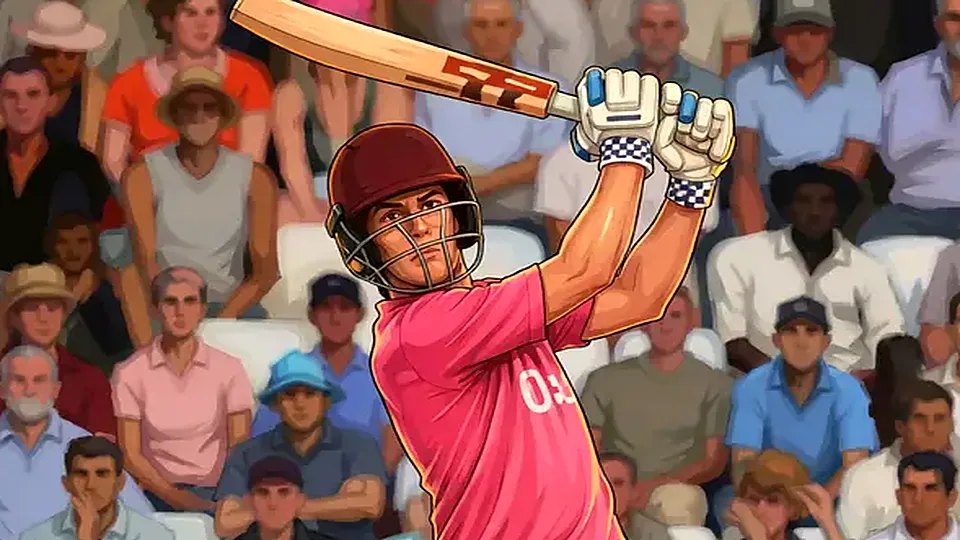
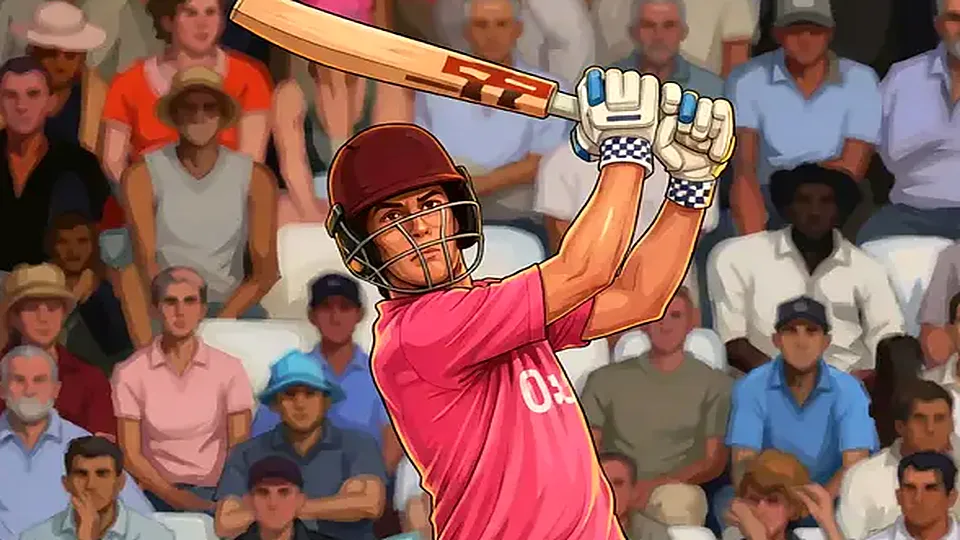
The captain shifted his fielders three yards finer. A classic trap for the incoming left-hander. But in the VIP box, nobody was watching the skiddy hard length or the subtle change in pace. They were watching the optics. The flags, the anthems, the carefully curated imagery of a 'New India' that looks less like a sports team and more like a political rally.
It happened slowly. Then all at once. We used to argue about whether a sticky red-soil track was too helpful for the spinners or if the Impact Player gamble had ruined the purity of the game. Now, the conversations in the press box have shifted. We aren't just talking about boundary-percentages anymore; we are talking about how the BCCI has streamlined the sport into a vessel for Hindutva signalling.
The Death of the Neutral Zone
Cricket in India was always a religion, but it was a pluralistic one. You had the Mumbai school of grit, the Delhi swagger, and the Southern elegance. That's gone. The current regime has realized that nationalism is the most potent lubricant for commercial growth. By aligning the board's identity with a specific ideological tilt, they've created a shield. Criticize the selection? You're attacking the national pride. Question the administration? You're an anti-national.
The boardroom doesn't care about the Ranji grind. They care about the spectacle. It's a calculated pivot. The game is no longer just about winning the World Cup; it's about ensuring the victory looks and feels like a triumph of a specific cultural identity.
Follow the Money and the Metrics
The monetization of this shift is where it gets truly cynical. The BCCI isn't just selling tickets; they are selling an ecosystem. While the purists moan about the death of Test cricket, the board is chasing the next digital goldmine. It's the same appetite for instant gratification that drives the surge in instant UPI & crypto gaming news—fast, high-stakes, and devoid of any long-term patience. The game is being sliced into 15-second reels and betting odds.
Look at the sponsorship pivots. The brands aren't just buying eyeballs; they are buying into the 'strongman' aesthetic. It's a feedback loop. The board pushes the narrative, the fans consume it as patriotism, and the advertisers pay a premium to be associated with that perceived power.
The Middle-Overs Choke of Integrity
What happens when the ideology clashes with the meritocracy? We've seen it in the dressing-room chatter—though few dare to speak it aloud. The subtle pressure to conform, the preference for players who 'fit the image', the sanitization of the rebel. The sport is suffering a middle-overs choke of its own. We are losing the friction that makes Indian cricket great.
- The Erasure: Regional identities are being subsumed by a monolithic national image.
- The Silence: Former players, once outspoken, now mirror the board's talking points.
- The Pivot: The focus has moved from technical mastery to brand alignment.
"The danger isn't that cricket becomes political—it always was. The danger is when the politics becomes the only thing that matters more than the cover drive."
Bowling Into the Pitch
The BCCI is currently bowling into the pitch, hoping the friction will slow down the critics. They've built a fortress of wealth and influence that makes them untouchable. But sport has a funny way of humbling the arrogant. A bad run of form, a collapsed batting order in a final, and the facade cracks. You can't paint a Hindutva veneer over a failing slip cordon.
For those of us who remember when the game was about the battle between bat and ball, this new era feels sterile. It's polished. It's loud. It's corporate. But it's missing the soul of the street-corner arguments that once defined the Indian game. We've traded the nuance of the sport for the noise of the spectacle. And in the end, the scoreboard doesn't care about your ideology—it only cares about the runs.
Related coverage
- Starc vs Jansen Data Clash: The Upi & Crypto Angle on New Ball Skid
- Bangladesh‑West Indies Test Toss: Impact Play, Boundary Hacks & UPI Crypto

Updated 2026-11-08 · Instant Rupee Deposits & 60s Withdrawals · 24/7 Support.
Access Official TheCoinbaseNews Portal →Head of Telemetry & Records · Chennai Desk
Ritika Verma heads the statistical modeling desk at TheCoinbaseNews in Chennai. She specializes in ball-by-ball telemetry, historical chart patterns, and data verification for instant upi & crypto gaming news.
Reader Discussion & Match Reactions (5)4.8★ Community (5 Comments)
Verified Indian cricket reader perspectives & tactical debate on thecoinbasenews.com
Three yards finer is the only measurable tactic here—yet the piece gives no boundary-percentage data to back the bigger claim. If BCCI’s Impact Player rule is skewing those numbers, show the red-ball vs white-ball split before blaming flags in the VIP box.
The bigger risk isn’t flags in the VIP box; it’s that red-ball pathways like Ranji get hollowed out while the board chases World Cup optics. If Mumbai grit and Delhi swagger are replaced by curated nationalism, selectors will lose the form guide that actually predicts Test survival.
The piece name-checks Mumbai grit, Delhi swagger and Southern elegance but never mentions Assam, SMAT or the women’s domestic circuit—where the Ranji grind actually feeds state associations. If BCCI’s spectacle-first pivot starves those pathways, the loss won’t show up in VIP-box optics.
A sticky red-soil track and the Impact Player gamble are two very different variables—lumping them under 'spectacle' hides the actual boundary-percentage trade-off. BCCI should publish red-ball vs white-ball data before we accept that the Ranji grind is being out-muscled by optics.
@Saurabh_NRR Fair, but the ‘three yards finer’ trap for the left-hander is still a tactical detail the piece buries under flags and anthems. If we’re tracking BCCI’s Impact Player rule, also track how the Ranji grind gets zero boundary-percentage coverage in the VIP-box era.
Join the Discussion (5 Reader Comments)
Related Articles
See All
Jennings hopes match
Jul 28, 2026

Instant Upi & Crypto Gaming News: Complete 2026 India Guide, Live Updates & Verified Access
Oct 17, 2026