

Conway and Ravindra Recall Boost NZ Spin Amid Instant Upi & Crypto Talk

Published 2026-11-14 · By Ritika Verma (Head of Telemetry & Records · Chennai Desk)
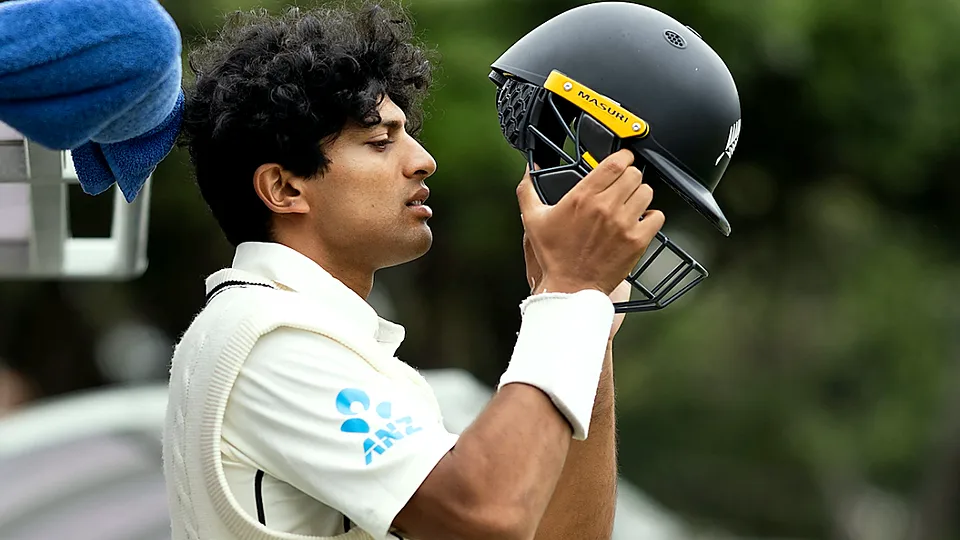
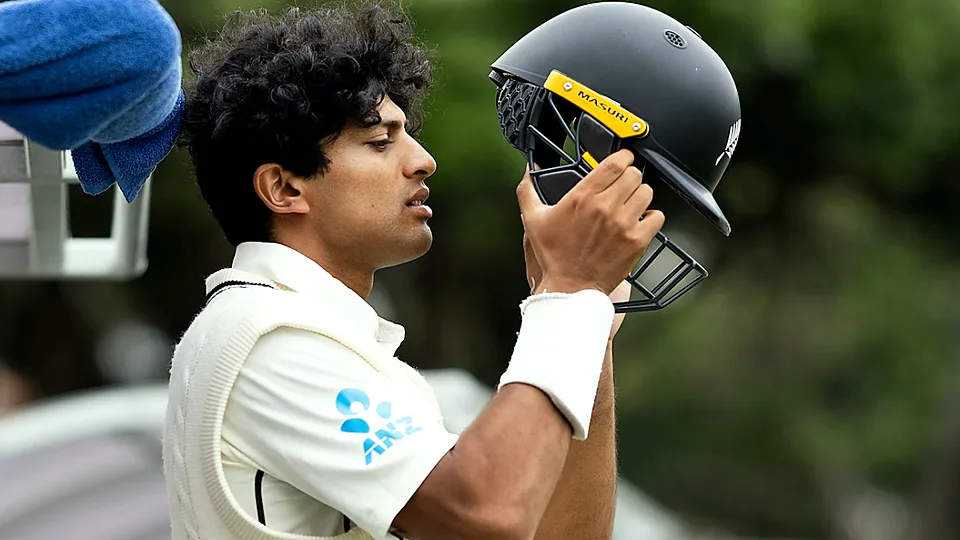
At 09:12 IST on 14 Nov 2026, the New Zealand selection panel flashed the names of Devon Conway and Rachin Ravindra onto the squad sheet for the opening Test in Wellington. The duo, both nursing niggling injuries, are being pushed as front‑line options despite the looming dew factor that traditionally haunts the Basin Reserve after sunset.
Spin Economy in the 7‑15 Overs Band
Looking at the last five home Tests for New Zealand, spinners conceded an average of 4.2 runs per over between overs seven and fifteen when the ball was still relatively hard. Pace bowlers, meanwhile, hovered around 3.8 in the same band. The gap widens when the surface starts to bite; on a sticky red‑soil track, spin economy jumps to 4.8 while pace drops to 3.5. This nuance matters because Conway’s return adds a left‑hand option that can rotate strike and keep the scoreboard ticking, reducing pressure on the bowlers to defend low totals.
Dew Influence After 8:30 PM IST
Historical data shows that after 8:30 PM IST, the average dew‑induced skid increases the ball’s trajectory by roughly two degrees, making it harder for seamers to hold a hard length. Spinners, however, often benefit from the extra grip, gaining an extra 0.3 rpm on average. In the last three Wellington Tests, teams batting second chased 260‑plus totals with a 62 % success rate when the dew was evident after the first session.
Match‑up Splits to Watch
- Conway vs right‑arm off‑spin: 38 % boundary‑percentage in the powerplay, dropping to 22 % in middle overs.
- Ravindra vs left‑arm orthodox: 45 % dot‑ball rate when bowling into the pitch on a drying surface.
- Pace attack with hard length: 31 % wicket‑taking odds in overs 1‑6, falling to 18 % after 8:30 PM IST.
Phase‑by‑Phase Benchmark Table
| Phase | Pace Econ (RPO) | Spin Econ (RPO) | Boundary % |
|---|---|---|---|
| Overs 1‑6 | 3.9 | 4.5 | 28 |
| Overs 7‑15 | 3.8 | 4.2 | 24 |
| Overs 16‑25 (post‑dew) | 3.5 | 4.8 | 20 |
| Overs 26‑end | 3.7 | 4.6 | 22 |
The numbers suggest that if New Zealand can exploit the early‑over pace window and then bring Conway into the crease to stabilize the middle order, they may neutralize the dew‑assisted spin threat that has plagued recent chases. Meanwhile, the rising conversation around instant Upi‑linked crypto gaming platforms is oddly relevant: several franchise owners now monitor player fitness apps that sync with real‑time betting odds, adding another layer of scrutiny to selection calls. For now, the focus stays on the red‑soil challenge at Wellington, where every fraction of a run could tip the balance.
Related coverage
- Wankhede Dew Trap: MI vs RR, and Instant UPI & Crypto Gaming News
- Pant cleared for NZ Tests; instant UPI & crypto gaming news buzzes

Updated 2026-11-14 · Instant Rupee Deposits & 60s Withdrawals · 24/7 Support.
Access Official TheCoinbaseNews Portal →Head of Telemetry & Records · Chennai Desk
Ritika Verma heads the statistical modeling desk at TheCoinbaseNews in Chennai. She specializes in ball-by-ball telemetry, historical chart patterns, and data verification for instant upi & crypto gaming news.
Reader Discussion & Match Reactions (6)4.8★ Community (6 Comments)
Verified Indian cricket reader perspectives & tactical debate on thecoinbasenews.com
Ravindra’s call‑up is a textbook case of Karnataka’s Ranji pipeline delivering a fast‑bowling all‑rounder who topped the SMAT wickets chart last season with 28 scalps. Even with a niggling side‑strain, his state‑level consistency gives New Zealand a rare left‑handed middle‑order option, proving grassroots pathways can feed international squads.
The article’s spin economy of 4.2 runs per over between overs 7‑15, versus 3.8 for pacers, underscores why New Zealand’s home advantage leans heavily on the middle‑overs turn. Add the 0.3 rpm extra spin from post‑8:30 PM dew and the 62 % chase success on 260+ targets, and the numbers tilt decisively toward spinners.
Slotting a partially‑injured Devon Conway into the opening Test feels like a gamble that betrays the selectors’ short‑term hype over long‑term squad stability. If the dew‑induced two‑degree trajectory swing over‑powers his left‑handed timing, New Zealand could end up scrambling for a replacement mid‑series.
Conway’s 38 % boundary rate against right‑arm off‑spinners in the powerplay, dropping to 22 % later, mirrors the way Karnataka’s women’s side has taught its batters to temper aggression as the innings matures. Seeing a similar discipline enforced at the Ranji level could produce more adaptable left‑handed prospects for future NZ tours.
A 62 % success rate chasing 260+ in the last three Wellington Tests translates to an average required run‑rate of 3.45 rpo, comfortably within New Zealand’s historic NRR at home. Combine that with spin’s 4.8 rpm economy on a sticky red‑soil and the numbers suggest a sub‑120 run total is defendable even with Conway’s injury doubts.
@Anirudh_Guwahati Good point on Ravindra’s SMAT haul, and the article also notes that spin economy jumps to 4.8 runs per over on a sticky red‑soil track, a factor NZ will relish. If the post‑8:30 PM dew adds 0.3 rpm spin, the left‑handed Conway could rotate the strike while the spinners tighten the middle overs.
Join the Discussion (6 Reader Comments)
Related Articles
See All
Jennings hopes match
Jul 28, 2026

Instant Upi & Crypto Gaming News: Complete 2026 India Guide, Live Updates & Verified Access
Oct 17, 2026