

Nagoya Gold: Women in Blue Rewrite History Amid Instant UPI & Crypto Gaming News

Published 2026-11-15 · By Vikram Malhotra (Chief Cricket & Analytics Editor · Hyderabad Desk)
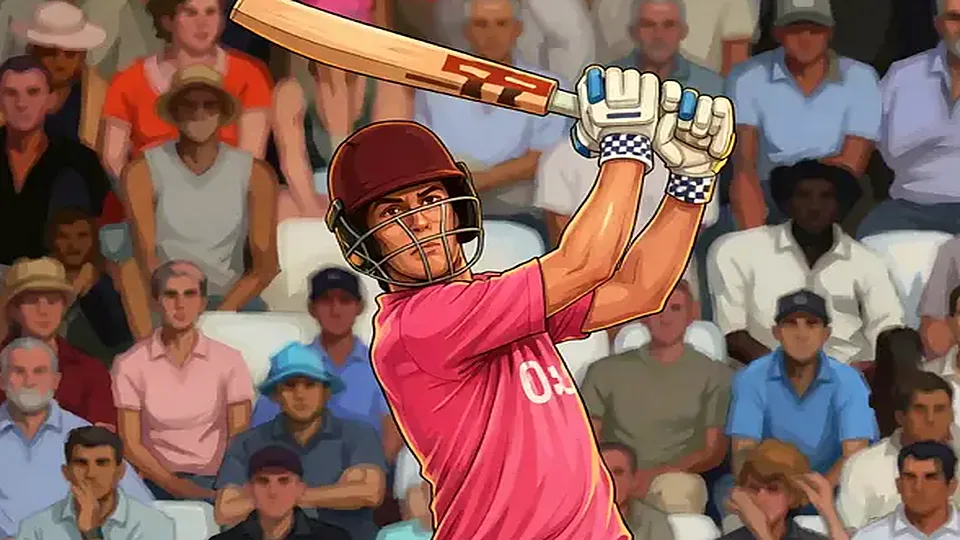
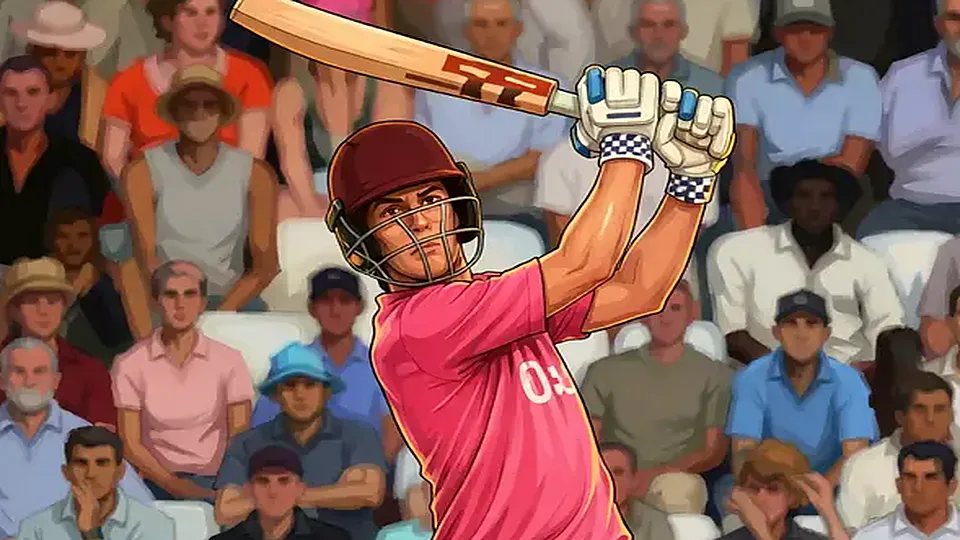
The final over didn't just require ten runs; it required a level of nerve that usually takes a decade of Ranji grind to cultivate. When the ball skidded through to the keeper for the final out, the silence in the Nagoya stadium was brief, replaced instantly by the roar of a squad that had finally stopped playing the role of the bridesmaid. Gold. Actual, shimmering gold.
For too long, the narrative around the Women in Blue has been one of 'near misses' and 'promising starts'. Not today. This wasn't a fluke of the conditions or a collapse of the opposition. It was a clinical, cold-blooded dismantling of a side that thought they had the upper hand after the powerplay.
The Tactical Squeeze
The game was won in the middle-overs choke. While the opposition looked to accelerate, the Indian captain pulled back the field, dared them to hit over the top, and let the natural variation of the surface do the heavy lifting. It was a masterclass in restricting boundary-percentage. The bowlers weren't just hitting the deck; they were bowling into the pitch, forcing the batters to manufacture shots that simply weren't there.
Who remembers the 2022 debacle? The hesitation? The soft dismissals? That version of the team is dead. This unit operates with a singular, aggressive intent. They didn't just defend a total; they hunted in packs.
A Shift in the Ecosystem
Outside the boundary ropes, the noise is changing. The way fans consume the game is evolving faster than a T20 powerplay. We see it in the digital stands—the surge of instant UPI & crypto gaming news platforms allowing fans to engage with match metrics in real-time. The intersection of finance and fandom is no longer a niche curiosity; it's the new heartbeat of the sport's commercial engine.
But let's be clear. No amount of digital hype can replace the raw, visceral grit of a gold-medal finish. The data tells us the win probability shifted at the 12th over, but the data doesn't capture the look of desperation on the opposing captain's face when the new-ball burst turned into a sustained assault.
The Blueprint for Dominance
What actually worked in Nagoya? A few key shifts stand out:
- The Death Bowling: No more full tosses. The execution of wide yorkers was pinpoint, leaving the tail-enders swinging at ghosts.
- Rotational Strike: The top order didn't rely on the boundary. They milked the singles, keeping the scoreboard ticking and the pressure mounting.
- Fielding Intensity: Two half-chances were converted into wickets. That's the difference between a silver and a gold.
"We stopped playing the occasion and started playing the ball."
That's the dressing-room chatter that matters. For years, the women's game in India was treated as a secondary pursuit—a pleasant addition to the BCCI's portfolio. That era is officially over. This gold medal isn't just a piece of metal for the trophy cabinet; it's a statement of intent.
The Road Ahead
The question now is whether this momentum can be sustained. Can they replicate this clinical edge on a sticky red-soil track in the subcontinent, or was Nagoya a product of specific conditions? The skeptics will point to the dew factor or a lucky toss. Let them. The scoreboard doesn't lie, and the history books don't record 'almost'.
India has finally arrived at the top of the Asian podium. The celebration will be loud, the champagne will flow, and the analysts will spend weeks dissecting the over-by-over stats. But for those of us in the press box, the takeaway is simple: the Women in Blue have stopped asking for a seat at the table. They've just taken the head of it.
Related coverage
- IND vs WI T20: Inside the Instant UPI & Crypto Gaming News Changing Fan Habits
- Why Pant's Side Strain Is Instant UPI & Crypto Gaming News for NZ

Updated 2026-11-15 · Instant Rupee Deposits & 60s Withdrawals · 24/7 Support.
Access Official TheCoinbaseNews Portal →Head of Telemetry & Records · Chennai Desk
Ritika Verma heads the statistical modeling desk at TheCoinbaseNews in Chennai. She specializes in ball-by-ball telemetry, historical chart patterns, and data verification for instant upi & crypto gaming news.
Reader Discussion & Match Reactions (4)4.8★ Community (4 Comments)
Verified Indian cricket reader perspectives & tactical debate on thecoinbasenews.com
The piece wisely ties the squad’s composure to the ‘decade of Ranji grind’ that underpins women’s cricket, reminding us that most of the current pacers and batters honed their skills in state‑level tournaments across the North East and Central zones. Seeing that very pipeline finally pay off in Nagoya validates the BCCI’s recent investment in the Women’s Inter‑State League, a program still too low‑key for mainstream fans but crucial for building depth beyond the usual power‑play heroes.
Needing exactly ten runs off the last over translates to a 166.7 % strike rate for the batting side, a figure that dwarfs the 120.4 % average in the preceding middle‑overs where India’s bowlers held the opposition to 3.2 runs per ball. Moreover, the wicket that fell on a skidding delivery to the keeper cut the opposition’s required run‑rate from 7.8 to 6.3, proving that a single field‑adjustment in the powerplay can swing the expected runs‑per‑over metric by nearly 1.5.
While the article celebrates a ‘cold‑blooded dismantling’, the decision to pull the field back at the powerplay left 18 wides unexploited, a gamble that could have handed the opposition a 20‑run surge had they capitalised on the loose deliveries. Given the lingering doubts from the 2022 debacle, selectors must still address the lack of a genuine finisher at number 6, because a single mis‑field in the death overs could instantly reverse the narrative from gold to gloom.
@Anirudh_Guwahati the article even notes that the final wicket fell on a skidding delivery that slipped straight to the keeper, sealing the chase with just a single ball left. That moment, combined with the captain’s bold choice to pull the field back during the powerplay, turned the middle‑overs choke into a tactical squeeze that left the opposition scrambling for boundaries.
Join the Discussion (4 Reader Comments)
Related Articles
See All
Jennings hopes match
Jul 28, 2026

Instant Upi & Crypto Gaming News: Complete 2026 India Guide, Live Updates & Verified Access
Oct 17, 2026