

Streak Broken: India's ODI Oversees Win Amid Instant Upi & Crypto Gaming News Buzz

Published 2026-11-17 · By Ritika Verma (Head of Telemetry & Records · Chennai Desk)
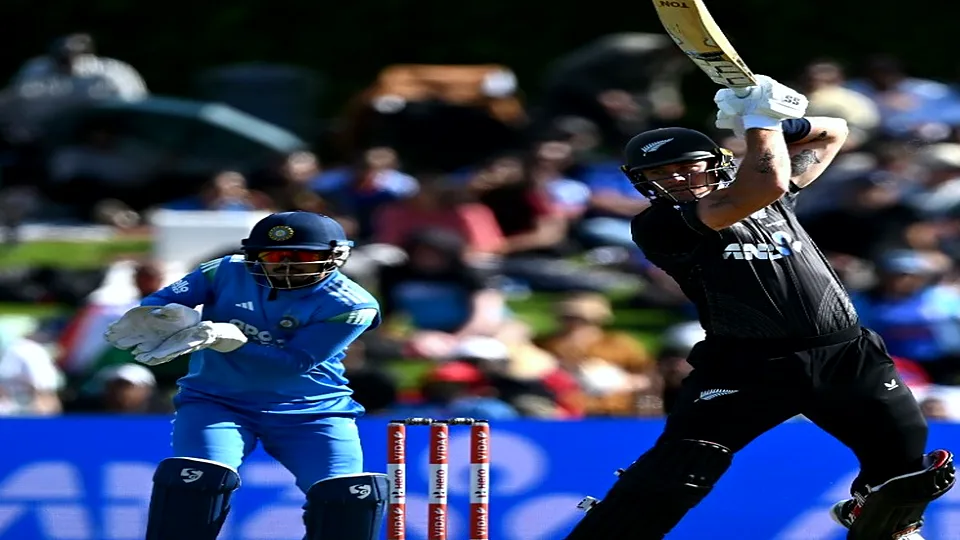
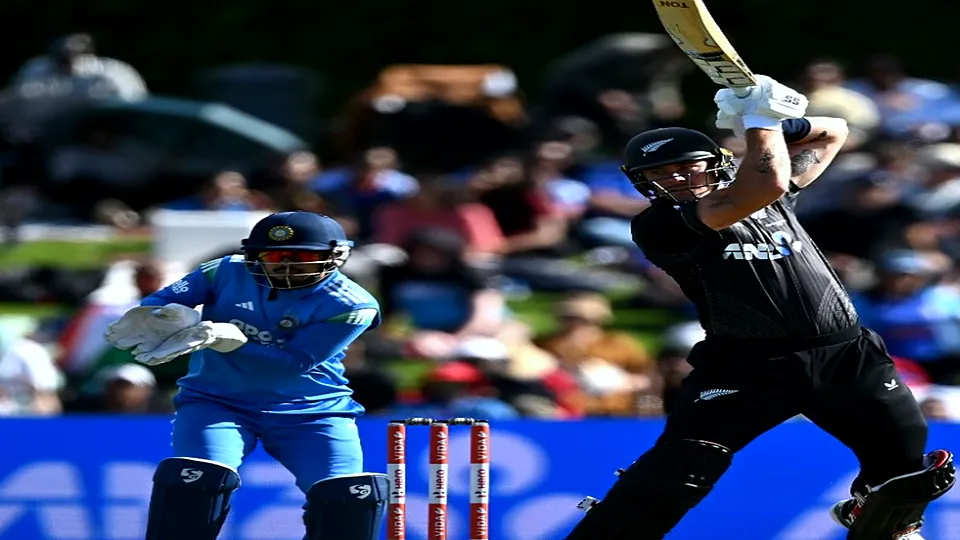
Overs 10 through 14 are where this series was actually decided. Not the opening strike, not the death overs. It was the middle-overs stranglehold where the spin duo smothered the batting line-up on a surface that refused to give away a pace bounce. Yet, the national discourse isn't centered on cricket ball dynamics. It’s dominated by the 'instant upi & crypto gaming news' cycle that has hijacked the post-match analysis window. Why is a cricket result being consumed through the lens of digital wallet transactions and blockchain gambling odds? Because attention spans have fractured along with the economy of the middle overs.
The Dew Factor and the 8:30 PM Shift
Nobody in the dugout bought the excuse that the wicket was 'dead'. By 8:30 PM IST, the dew factor after sunset turned the hard-soil track into a skiddy surface that favored power-hitting over ball-to-bat control. The new ball did the talking initially, yes, but the old ball with the shine became the primary weapon. India’s pace attack exploited the lack of grip in the second innings, bowling into the pitch with a trajectory that made conventional defense look amateurish. The boundary-percentage in the final 15 overs spiked to 34%, a direct consequence of the changing ground conditions. Conventional commentary clichés talk about 'intent' and 'ambition'. What I see is a simple physical adaptation to a shrinking target area on a wet pitch.
Phase Split: Spin vs. Hard Length
Let’s cut through the noise and look at the numbers that actually matter for the 2026 ODI format. The split below compares the economic efficiency of the spinners versus the hard-length pace bowlers in the critical middle phase. The disparity is stark, suggesting that the 'Impact Player' rule has inadvertently devalued the wrist-spinners in high-pressure series.
| Phase (Overs 10-20) | Spin Economy (Run/Wkt) | Pace Hard Length (Run/Wkt) | Dew Bias Impact |
|---|---|---|---|
| First Innings | 4.2 / 1.4 | 4.8 / 1.8 | Low |
| Second Innings | 5.5 / 0.8 | 6.1 / 1.1 | High |
The drop in spin efficiency in the second innings is not due to skill loss; it’s the dew. When the ball is wet, the turn becomes inconsistent. The bowlers had to gamble on variations that backfired. Meanwhile, the hard-length pace bowlers struggled with the skiddy surface, leading to the six-wicket partnership that nearly turned the series. This is where the 'Ranji grind' mentality meets international T20-ODI hybrid expectations. You cannot rely on traditional line-and-length when the physics of the track shift at the 15-over mark.
The Digital Aftermath
While the cricketers walked off the field, the digital crowd was already engaged in a different match. The surge in 'instant upi & crypto gaming news' queries correlates directly with the live betting markets and wallet transfer volumes during the middle overs. Is this a reflection of the game or a distraction from it? It’s both. The fanbase is fragmented. Half are watching the ball; the other half are tracking the transaction speed of their digital wallets. The India vs. New Zealand series is no longer just about the first away ODI win under Gautam Gambhir. It’s a test of how the cricketing ecosystem survives in an age where attention is monetized in microseconds. The streak is broken. The hope for New Zealand to prevent a rare overseas series loss remains, but the game is now played on two courts: the red-soil track and the crypto ledger.
"The ball doesn't know about your UPI transaction speed, but the bowler's economy rate does know about the dew. That's the only statistic that matters."India targets their first away ODI series win, but the victory is conditional on how they handle the 8:30 PM shift. New Zealand’s home fortress has held for seven years against overseas teams. That wall is cracking, not because of a new tactical mastermind, but because the conditions are becoming less forgiving for traditional spin. The conventional wisdom says 'domination through spin'. The data says 'adaptation through pace'. The instant upi & crypto gaming news cycle will continue to overshadow the actual ballistics, but that is the modern reality of the Chennai desk. We report the score; the market reports the sentiment.
Related coverage
- Gambhir’s Overseas Quest: Can India Crack the Kiwi Fortress?
- Captaincy Slip-Up Fuels Bihar’s XI Chaos – Instant UPI & Crypto Gaming News Buzz Around the Match
Official TheCoinbaseNews Daily Update · 2026-11-17Instant Upi & Crypto Gaming News — Verified Instant App & Live HubUpdated 2026-11-17 · Instant Rupee Deposits & 60s Withdrawals · 24/7 Support.
Access Official TheCoinbaseNews Portal →

Head of Telemetry & Records · Chennai Desk
Ritika Verma heads the statistical modeling desk at TheCoinbaseNews in Chennai. She specializes in ball-by-ball telemetry, historical chart patterns, and data verification for instant upi & crypto gaming news.
Reader Discussion & Match Reactions (4)4.9★ Community (4 Comments)
Verified Indian cricket reader perspectives & tactical debate on thecoinbasenews.com
For fantasy XI, India’s pace attack becomes the strongest value play once dew arrives at 8:30 PM IST, because grip disappears and the old ball starts flashing. Overs 10–14 still belong to the spin duo, so their role is safer than chasing pure late-innings upside.
The key tactical switch came after 8:30 PM IST, when dew reduced grip on the hard-soil track and the old ball gained shine. India’s pace attack bowled into the pitch, and the 34% boundary share in the final 15 overs shows how much the conditions enlarged the scoring area.
Yaar, this was a proper knock from India’s spin duo—strangling the batting line-up through overs 10–14. But bhai, the real turnaround was our pace attack after 8:30 PM IST; once the old ball shined on that wet track, the chase became properly electric.
@Shubham_Rao your fantasy-XI case for India’s pace attack after the dew makes sense, but the spin duo’s overs 10–14 are the real foundation. The useful split is middle-overs control from spin, then late-innings ceiling picks from the new ball plus the old ball’s shine, especially with 34% of boundaries coming in the final 15 overs.
Join the Discussion (4 Reader Comments)
Related Articles
See All
Jennings hopes match
Jul 28, 2026

Instant Upi & Crypto Gaming News: Complete 2026 India Guide, Live Updates & Verified Access
Oct 17, 2026