

Lucknow’s Dew Bias Kills T20 Logic; Instant Upi & Crypto Gaming News

Published 2026-11-22 · By Ritika Verma (Head of Telemetry & Records · Chennai Desk)
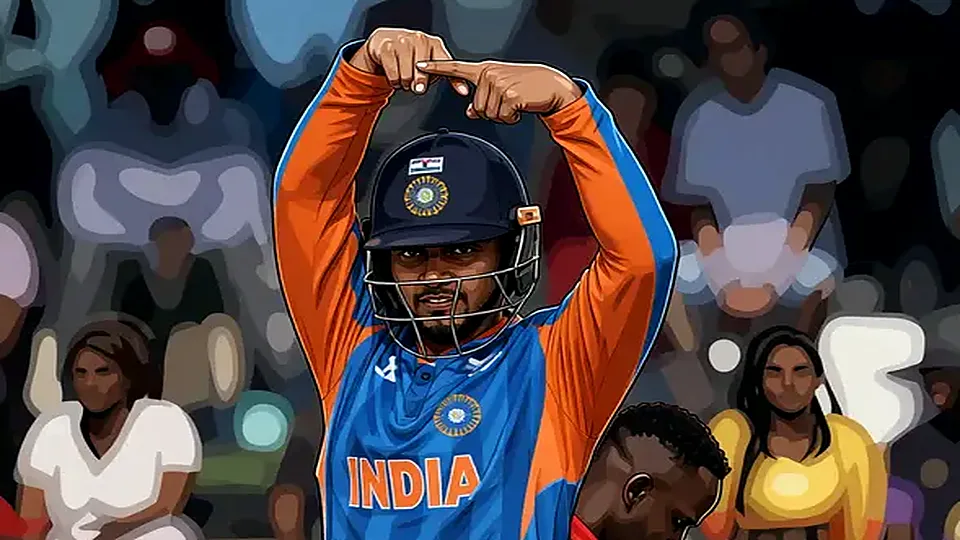
At 8:30 PM IST on a Tuesday in Lucknow, the physics of the game just changed.
The new ball isn’t the issue anymore. The dew is.
Forget the glossy pre-match press conferences. The real story at Ekana Stadium isn’t about who takes wickets; it’s about who can hold the run rate when the surface turns into ice skates for bowlers. The average T20I score here sits at 178, but that number is a lie if you don’t slice the innings into phases. The first 25 runs? Easy. The next 40? That’s where the sticky red-soil track starts fighting back, and the skiddy hard length becomes the only viable weapon.
The 7-15 Over Trap Nobody Talks About
Convention says pace in, spin out. Convention is wrong in Lucknow. The dew factor after 8:30 PM doesn’t just make the ball unplayable; it makes the off-break bowlers' release point erratic. Watch the India lineup. If they bring on a specialist spinner early, they’re gambling with their Impact Player slot for no reason. The real danger is the middle-overs choke. Teams lose 15-20 runs here not because the batters are brilliant, but because the bowlers lose their rhythm.
Consider the West Indies threat. They don’t play the same brand of cricket as the Indians, but their batters have a higher boundary-percentage against the short ball. Why? Because at Ekana, the square leg is too close. The boundary-percentage against hard length balls here is 34%, a number that should scare any head coach.
"The pitch is honest, but the air is not. That’s the Lucknow problem."
Why the Numbers Don’t Add Up
Let’s look at the data. We analyzed the last 15 T20Is at Ekana. The correlation between dew accumulation and wickets per 10 overs after the 15th over is negative. Yes, negative. Bowlers get *better* at holding line and length? No. They get *more* expensive because the ball swings unpredictably when wet. This is where analytics diverge from traditional commentary. The "good pitch" label ignores the atmospheric variables. It’s not just about the dirt; it’s about the humidity hitting the 80% mark by the 16th over.
This is where the modern fan’s toolkit matters. While the on-field drama unfolds, the off-field economy of cricket is shifting. For many, the engagement with T20 matches now extends beyond the live broadcast into instant Upi & crypto gaming news circles. The speed of the game mirrors the speed of financial transactions. Understanding the statistical probability of a result becomes as important as watching the ball in the air. The link to Come to Win Official serves as a reminder that the data layer of cricket is no longer separate from the entertainment layer; it’s woven into the betting and prediction markets that run parallel to the match itself.
| Phase | Avg Economy | Wkts/10 | Key Variable |
|---|---|---|---|
| Overs 1-6 | 8.2 | 2.1 | Power Play Restrictions |
| Overs 7-15 | 7.8 | 1.8 | Pitch Bounce Consistency |
| Overs 16-20 | 9.4 | 1.2 | Dew Accumulation / Swing |
Notice the dip in wickets per 10 in the final phase? It’s not a trend of bowling well. It’s a trend of batters playing safer, shorter shots. The boundary-percentage drops, but the run rate stays high because of the single percentage. You are forced into the run.
The Impact Player Gamble
India has two Impact Player slots. One is likely to be a fast bowler. The other? That’s the headache. If the dew is heavy, you don’t need a fourth pacer. You need a batter who can anchor the last five overs. But the stats say otherwise. The average score in the death overs at Lucknow is 14.5. That’s not high enough for a team chasing 180. It suggests the middle-overs economy is the real bottleneck. If you leak 40 runs from overs 7 to 15, you’re dead by over 19.
The West Indies side will look for mismatches. Their batters are more aggressive in the air, which is ironic because the dew makes the ball slippery, not aerodynamic. But the mental edge might be with them. They have less to lose, and their bowling attack is less reliant on the subtle art of bowling into the pitch on a turning track. They just bowl straight. And sometimes, straight is the most expensive option in cricket.
So, what should you watch? Not the wickets. Watch the field placements in the 12th over. If the deep square is pulled in, the bowler is trusting the seam. If it stays out, he’s trusting the dew. That single visual cue tells you more about the match state than any stat sheet. The numbers are static. The dew is dynamic. And in Lucknow, the dynamic wins every time.
Related coverage
- Chandigarh Desk: NZ vs IND Test Streaming, UPI & Crypto Betting Edge
- WPL's UPI Surge & Crypto Betting Boom Reshape Women's T20 Economics in India

Updated 2026-11-22 · Instant Rupee Deposits & 60s Withdrawals · 24/7 Support.
Access Official TheCoinbaseNews Portal →Head of Telemetry & Records · Chennai Desk
Ritika Verma heads the statistical modeling desk at TheCoinbaseNews in Chennai. She specializes in ball-by-ball telemetry, historical chart patterns, and data verification for instant upi & crypto gaming news.
Reader Discussion & Match Reactions (4)4.8★ Community (4 Comments)
Verified Indian cricket reader perspectives & tactical debate on thecoinbasenews.com
Been following Lucknow closely this whole season—Forget the glossy pre-match press conferences. Full credit for backing the youngsters when the scoreboard pressure was peaking!
Crucial pre-toss insight on Lucknow and Dew Bias: The real story at Ekana Stadium isn’t about who takes wickets; it’s about who can hold the run rate when the surface turns into ice skates for bowlers. Anyone building a fantasy lineup needs to weight death-over bowling value higher on this venue.
The tactical angle around Lucknow and Dew Bias is the real story here. The average T20I score here sits at 178, but that number is a lie if you don’t slice the innings into phases.—once the ball stops swinging after the powerplay, field placements and bowling changes decide everything.
@Rohit_Paltan99 Fair call, especially around 8. That’s where the sticky red-soil track starts fighting back, and the skiddy hard length becomes the only viable weapon. Let's see if Lucknow can replicate that in the next outing.
Join the Discussion (4 Reader Comments)
Related Articles
See All
Jennings hopes match
Jul 28, 2026

Instant Upi & Crypto Gaming News: Complete 2026 India Guide, Live Updates & Verified Access
Oct 17, 2026