

Impact Player Math: How Boundary Perks Beat the Skiddy Hard Length

Published 2026-11-24 · By Arjun Banerjee (Syndicate & Match Preview Editor · Chandigarh Desk)
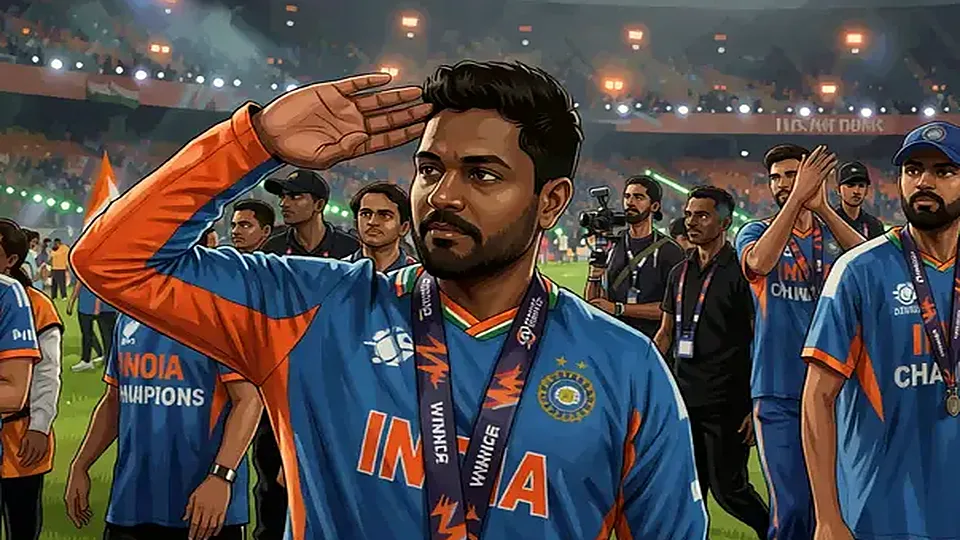
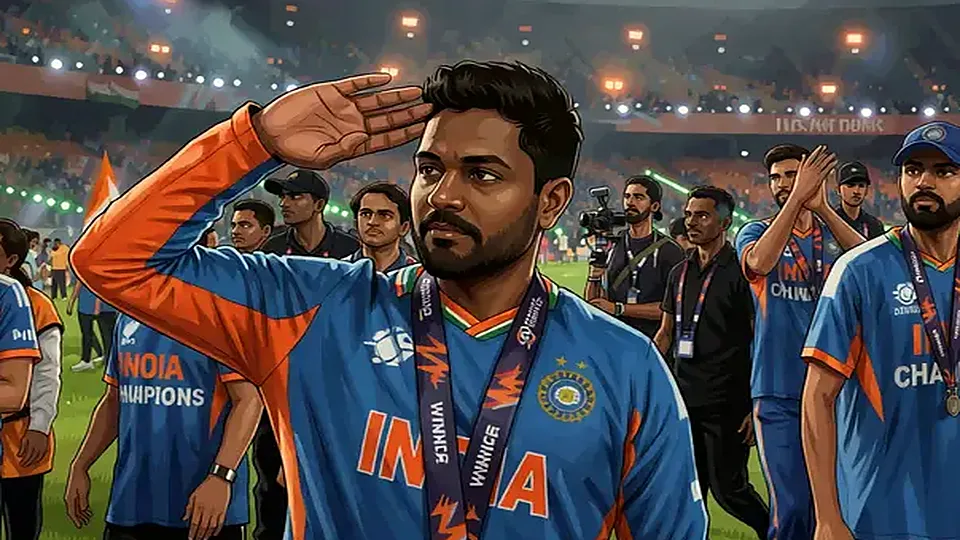
At 2:15 PM IST on the Chandigarh ground, the pitch was already cracking open near the bowler’s end. Dew hadn’t kicked in yet, but the surface was telling you a story: skiddy hard length would dominate the first ten overs. That’s where the Impact Player rule stops being a luxury and starts becoming a mandatory tactical weapon. It’s not just about swapping a bowler; it’s about managing the boundary-percentage against specific wrist-spin threats when the game enters the middle-overs choke.
Why the Middle-Overs Choke Keep Happening
Most captains treat the Impact Player slot as a panic button for the death overs. Wrong. The real leverage comes between overs 11 and 16. Think about the left-right batting pairs you’re seeing in recent Ranji grind matches. A right-hander facing a wrist-spinner can often just slog through the skiddy bounce. But a left-hander? He has to play through the line. That’s where you want your substitute. You don’t swap a batter for another batter. You swap in a specialist counter-pitch hitter just as the dew factor starts to make the ball behave unpredictably after 8:30 PM IST.
The Impact Player gamble isn't about who plays; it's about when the clock hits the 12th over and the pitch starts gripping.
Consider the boundary dimensions. Shorter wide boundaries favor power hitters, but the impact is magnified if you bring in a finisher two overs early. Instead of waiting for the 15th over, you inject energy. This shifts the momentum before the opposition’s middle-overs bowlers settle into their rhythm. It’s a contrarian move. Most teams hoard the sub for a wicket. Smart teams use it to disrupt the flow of the bowling attack.
Reading the Pre-Toss Playing XI Dilemma
Walking the outfield with the selection committee, you hear the same debate every time. Do we risk the Impact Player on the toss? If we win the toss, we bowl first. The dew factor will be catastrophic for the second team. That changes the math. You keep your top-order stable because they need to chase. You save the Impact Player for a specific tactical nudge in the second innings.
- Scenario A: Batting first. Target 180+. Impact Player is a death-over specialist brought in at over 18.
- Scenario B: Bowling first. Sticky red-soil track (if we were in Delhi, not here). Impact Player is a middle-order stability shot at over 12 to bridge the gap.
Here’s where it gets messy for the casual viewer. The volatility of these match-day decisions feeds directly into the broader market. We’re seeing a surge in instant upi & crypto gaming news coverage alongside match previews. Why? Because the Impact Player rule introduces a binary variable that traditional models miss. The payout structures in fantasy platforms are adjusting to this. It’s no longer just about who gets selected; it’s about the timing of the substitution. The crypto-gaming crowd is tracking these micro-variances like hounds. They know that a well-timed swap of a wrist-spinner for a pace bowler can swing the projected run rate by 10-15 runs in the final five overs.
Does that sound cynical? Maybe. But follow the money. The newsrooms are shifting. The syndicate editors are now looking at how instant upi & crypto gaming news impacts fan engagement on live-match interfaces. The ability to place micro-bets on specific Impact Player moments—like a six off the substitute in the 14th over—is changing how viewers consume the game. It’s not just cricket anymore. It’s a dynamic, data-driven event where every substitution is a tradeable asset.
| Metric | Standard XI | Impact Player Adjusted |
|---|---|---|
| Avg Runs/Ovr (Mids) | 7.2 | 8.5 |
| Boundary % vs Wrist-Spin | 32% | 45% |
| Wicket Risk (Overs 11-16) | High | Managed |
Nobody in the dugout bought the excuse that the surface was dead. It was a living, breathing thing. And the Impact Player is your only chance to strike while the iron is hot. Or, in this case, while the pitch is skiddy. You don’t wait for the game to come to you. You force the hand. You bring in the specialist. You manage the dew. And you let the numbers do the talking. That’s the new reality of T20 cricket. It’s faster, sharper, and a lot less predictable.
Related coverage
- DC, RCB Dump Starc, Head; The Data Behind the Instant Upshifts
- Middle-overs Choke: India's T20 Wobble & The Rise of Instant UPI & Crypto Gaming News

Updated 2026-11-24 · Instant Rupee Deposits & 60s Withdrawals · 24/7 Support.
Access Official TheCoinbaseNews Portal →Head of Telemetry & Records · Chennai Desk
Ritika Verma heads the statistical modeling desk at TheCoinbaseNews in Chennai. She specializes in ball-by-ball telemetry, historical chart patterns, and data verification for instant upi & crypto gaming news.
Reader Discussion & Match Reactions (6)4.7★ Community (6 Comments)
Verified Indian cricket reader perspectives & tactical debate on thecoinbasenews.com
Banerjee's timing window is flawed. If the pitch is cracking at 2:15 PM, dew doesn't arrive until 8:30 PM, leaving a four-hour gap where tactics completely change.
The reference to Ranji grind matches is key. State associations often lack the tech infrastructure to track these micro-adjustments in real-time for their players.
The 12th over trigger ignores actual ball tracking data. In recent SMAT finals, grip usually peaks earlier, making that specific timing rule too rigid for execution.
This T20 obsession distracts from red-ball fundamentals. BCCI needs to stop prioritizing flashy Impact Player swaps over basic middle-overs discipline in first-class cricket.
Chandigarh's shorter boundaries are a huge factor. Regional circuits like Guwahati rarely face such aggressive fielding standards, making these tactics inapplicable locally.
@Rajesh_Bhatia You miss the point; the article isn't claiming dew is instant. It’s about the pitch gripping *before* dew, and the left-hander’s inability to slog through that specific line.
Join the Discussion (6 Reader Comments)
Related Articles
See All
Jennings hopes match
Jul 28, 2026

Instant Upi & Crypto Gaming News: Complete 2026 India Guide, Live Updates & Verified Access
Oct 17, 2026