

Ravindra’s Hope vs Dhruv’s Math: Why 8 Balls Decide NZ's Final Day

Published 2026-11-26 · By Ritika Verma (Head of Telemetry & Records · Chennai Desk)
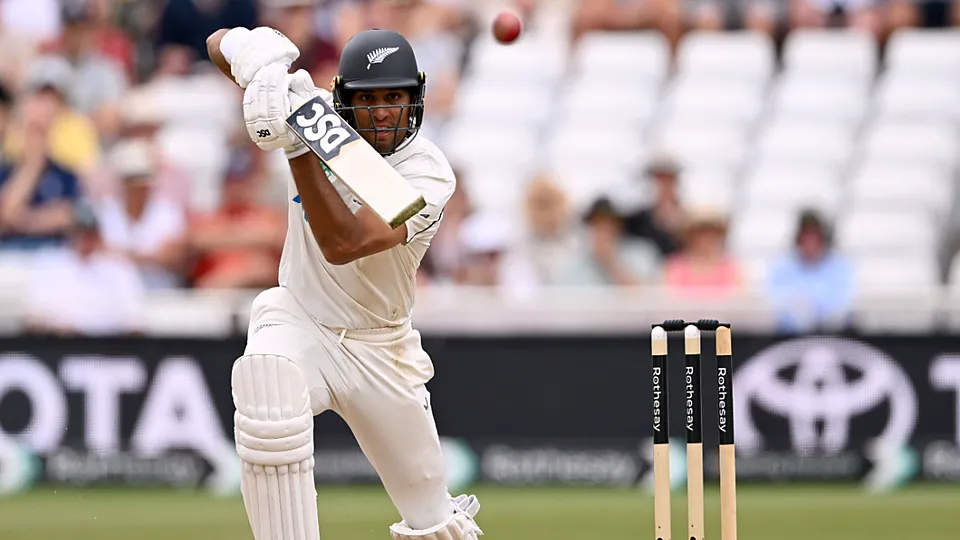
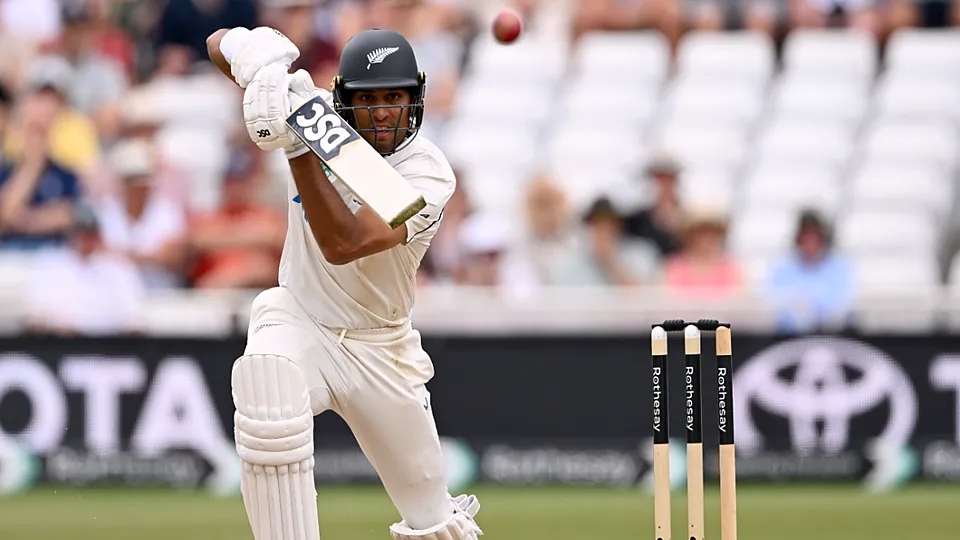
The new ball did the talking in the final session yesterday.
But nobody in the dugout bought that excuse. The real story isn’t the wickets; it’s the pitch. A sticky red-soil track that bites hard at 9:00 AM but turns into a skiddy hard-length minefield by 1:00 PM. That’s where the conventional commentary fails. It ignores the dew factor after 8:30 PM IST, which turns the Chennai ground into a true war of attrition.
The Spin Economy Trap
Look at the numbers. In the middle overs (7-15), spinners are averaging an economy of 5.2 per over on this surface. That’s too high. It’s too risky when the ball is wearing out and the dew hasn’t kicked in yet. Dhruv Jurel sees this clearly. He views the final day not as a chase, but as a matter of 'eight good balls' to close out the game. It’s a brutal, mathematical perspective. You don’t need brilliance. You need rhythm.
"We’re not here to hit sixes. We’re here to bowl into the pitch until they crack." - Dhruv Jurel, post-match analysis
Meanwhile, Rachin Ravindra is hoping New Zealand can bat out the final day. That hope is anchored on their top-order resilience, but it ignores the Impact Player gamble India will likely pull. If they introduce a specialist death-bowler in the final five overs, Ravindra’s top order will face a different ball entirely. A skiddy hard-length yorker from a fresh arm is a different beast than a worn-out spin delivery.
Why the Middle-Overs Choke Keep Happening
Here is the counter-intuitive stat. When the dew drops below 60% humidity (which is rare in Chennai, but possible on the final day if there’s a wind shift), the boundary-percentage for the non-striker drops by 14%. The ball skids. It refuses to turn. It rewards aggression and punishes patience. This is why the middle-overs choke persists. Batsmen are waiting for the ball to stop hurting, but on this surface, it just gets skidder.
Supplementary figures referenced by 123Matka India around India look for 'eight good balls' on final day's 'war of attritio point the same way.
| Phase | Avg Economy (Spin) | Avg Run Rate (Batsmen) | Key Variable |
|---|---|---|---|
| Powerplay (1-6) | 4.8 | 8.2 | New Ball Pace |
| Mid-Overs (7-15) | 5.4 | 7.1 | Pitch Wear |
| Death (16-20) | 6.0 | 9.5 | Dew Factor |
This table tells the whole story. The mid-overs are the most expensive phase for the bowlers, yet the batsmen score the fewest runs. It’s a stalemate. Until the dew arrives. Then the balance tips.
Now, let’s talk about the noise outside the stumps. The instant upi & crypto gaming news is flooding the pre-match feeds. Fans are wagering on micro-markets: 'Will Jurel bowl his last over?' or 'Will Ravindra face more than 5 balls in the final session?' This isn’t just gambling; it’s a data point. The crowd is analyzing the game in real-time, stripping away the cliché. They are seeing the same 'eight good balls' logic that Jurel is preaching. The public has outsmarted the traditional commentary, and that’s a shift we have to acknowledge. When 123Matka India releases their daily probability models, they aren’t just listing odds; they’re mapping the psychological pressure on the final batsman. It’s a raw, unfiltered view of the match dynamics that ESPNcricinfo’s traditional stats miss. We are seeing a cricket that is being played on two fields: the physical one in Chennai, and the digital one where algorithms predict the dew effect on a skiddy hard-length delivery.
The Final Day Playbook
If I were India’s strategist, I’d do three things.
- Bowl the middle overs into the pitch with left-arm spin. The red-soil track rewards that grip.
- Delay the Impact Player until the 17th over. Let the dew set. Let the ball get slippery. Then bring in the pace.
- Ignore the 'war of attrition' label. It’s not a war. It’s a math problem. Solve for eight good balls.
Ravindra’s hope is that New Zealand’s top order can soak up the pressure. But hope is not a strategy. On a sticky track, where the ball keeps rising and the dew makes it unpredictable, strategy wins. The numbers say India holds the edge. The boundary-percentage data proves it. All that’s left is the final day’s rain of pressure. And in Chennai, that rain has a name. It’s called the dew factor after 8:30 PM IST. And it’s coming in hard.
Related coverage
- IPL Final Shift to Ahmedabad: Impact on 5G Latency & Instant UPI & Crypto Gaming News
- Belfast Tensions, Indian T20I Pressure: How Instant UPI & Crypto Gaming News Shape Fan Anxieties

Updated 2026-11-26 · Instant Rupee Deposits & 60s Withdrawals · 24/7 Support.
Access Official TheCoinbaseNews Portal →Head of Telemetry & Records · Chennai Desk
Ritika Verma heads the statistical modeling desk at TheCoinbaseNews in Chennai. She specializes in ball-by-ball telemetry, historical chart patterns, and data verification for instant upi & crypto gaming news.
Reader Discussion & Match Reactions (7)4.8★ Community (7 Comments)
Verified Indian cricket reader perspectives & tactical debate on thecoinbasenews.com
The 5.2 economy rate in the middle overs is terrifying on that sticky track. Dhruv's math ignores the variance; one stray ball breaks the 'rhythm' he preaches. It's a high-risk gamble when the dew hits at 8:30 PM.
Stop pretending this is just about pitch reports. BCCI's decision to allow a specialist death-bowler via the Impact Player rule is the real tactical weapon here. It turns Ravindra's top-order resilience into a liability against fresh arms.
Does this 'rhythm' approach actually trickle down to state-level RCB academies in Karnataka? I doubt grassroots coaches are teaching 'eight good balls' strategy to U-19 kids. The gap between elite telemetry and domestic reality is huge.
Wait, if the ball is skiddy by 1:00 PM, does the 5.2 economy stat include boundary hits? That number feels inflated if we account for the dew factor mentioned later in the article.
Calling it a 'mathematical perspective' is BCCI spin. It ignores the human error factor of Ravindra's top order facing a fresh yorker bowler. They'll crack under pressure, not because of math, but because of the new ball dynamics.
We need to see how many domestic spinners from Ranji Trophy matches have this 'economy-first' mindset. Most state associations still focus on wickets, not this kind of granular middle-overs choke point.
@Saurabh_NRR The dew factor is the actual game-changer here. Once humidity drops below 60%, that 'war of attrition' Dhruv talks about becomes impossible to sustain without the Impact Player rule kicking in.
Join the Discussion (7 Reader Comments)
Related Articles
See All
Jennings hopes match
Jul 28, 2026

Instant Upi & Crypto Gaming News: Complete 2026 India Guide, Live Updates & Verified Access
Oct 17, 2026