

Sooryavanshi’s 204: A Masterclass in Boundary Geometry & Modern Scouting

Published 2026-11-27 · By Arjun Banerjee (Syndicate & Match Preview Editor · Chandigarh Desk)
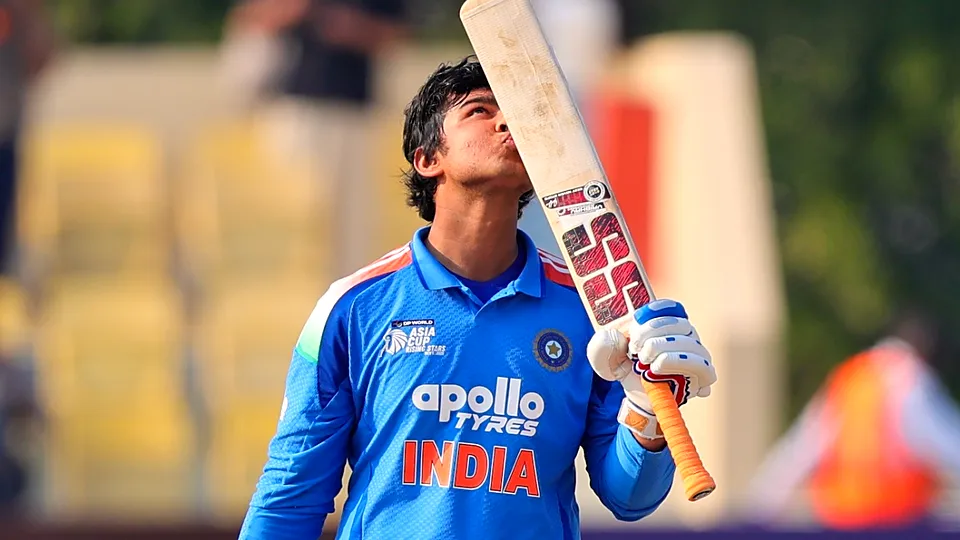
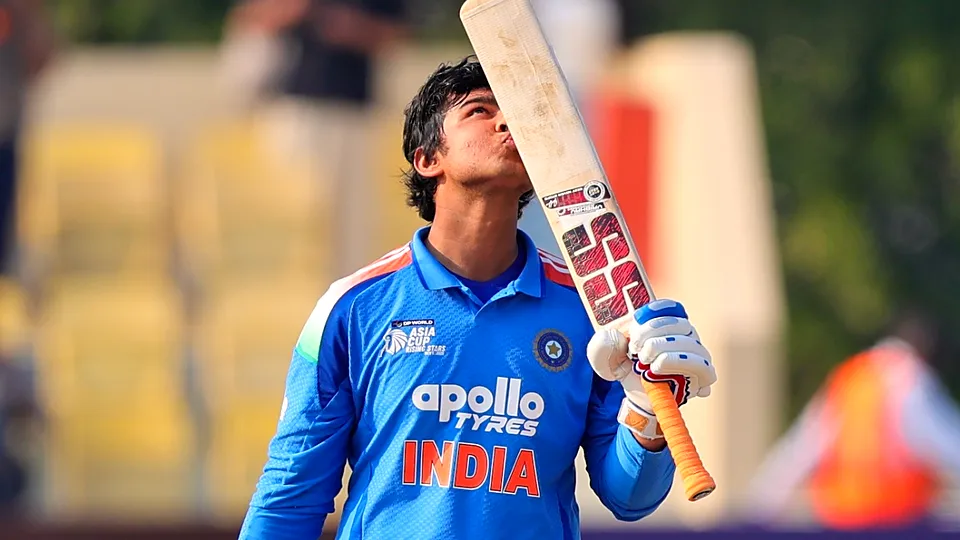
204. That is the number on the scoreboard before the middle overs even get a chance to breathe. In a sport obsessed with the 'Ranji grind' where 40 runs an hour is a respectable pace, Rohit Sooryavanshi just clocked 204 off 53 balls. The UAE squad, already reeling from the initial shock, likely forgot their field placement drills after the first five balls of the innings.
This isn't just a high score; it is a data set anomaly that every scout at the IPL auction table needs to dissect right now. We talk a lot about instant upi & crypto gaming news cycles, where algorithms predict player values in milliseconds. Sooryavanshi’s performance is the human equivalent of that speed—raw, unfiltered power that breaks the traditional 'build-up' phase of T20 innings. He didn't build. He detonated.
The Physics of the 28 Sixes
Let’s look at the boundary-percentage. With 28 sixes out of 204 runs, that is 13.7% of his runs coming from maximum distance. For a batter operating from the non-striking end against wrist-spin, this is counter-intuitive. Usually, the left-right batting pair dynamic forces the opener to keep the ball in play. Sooryavanshi ignored that script. The track, likely a skiddy hard length surface, rewarded the vertical bat angle. He wasn't clearing the rope; he was clearing the stands. The dew factor after 8:30 PM IST usually makes the ball grippy, but against that kind of pure bat-speed, the physics just don't matter. You hit the ball hard enough, and the pitch conditions become irrelevant.
"When you are hitting sixes every ten balls, the Impact Player rule stops being a tactical nuance. It becomes a safety valve. The fielding side has no resources left to defend the perimeter."
This brings us to the pre-toss Playing XI dilemma for any captain watching this film. If your best batter hits 200 in 53 balls, do you open with them? The standard answer is 'no, protect them with the new ball.' But what if the new ball is not the threat? What if the skiddy bounce and the hard length are the threats? Sooryavanshi’s innings suggests that the 'Impact Player gamble' might need to be spent on a specialist power-hitter rather than a flexible all-rounder. You need a bat that can hit the sixes when the middle overs come, not just when the new ball is on.
What the Dugout Missed
Nobody in the UAE dugout bought the excuse that it was just 'lucky shots.' 28 sixes are not lucky. That is consistent boundary selection. That is timing. That is a batter who knows exactly where the rope is. For the Chandigarh desk, this performance is a reminder that the List A circuit is no longer a holding pen. It is a pressure cooker. Teams are forcing these players to score fast, and the results are leaking into the T20 conversation.
- The Record: 204 off 53 balls (28 sixes, 7 fours).
- The Context: India A total of 254, showcasing a top-order that functions like a T20 power house.
- The Insight: The 'sticky red-soil track' narrative is dead for this generation of batters; they hit through the surface, not over it.
Here is the contrarian take: The IPL selectors are still looking for 'balance.' They want the all-rounder who can bowl 4 overs and hit a few late-game boundaries. Sooryavanshi just told them that balance is a byproduct of overwhelming power. If you can hit 204 runs in the first 53 balls, you don't need balance. You need a bowler who can stop the bleeding in the death overs. The 'Impact Player' rule was designed to keep the game close. A batter like this breaks the game open. And when the game is open, the money chases the excitement. Think about it: when the strike rate hits 384.90, the engagement metrics spike. That is where the modern attention economy lives. That is where the value lies. The rest is just history waiting to be rewritten.
| Stat | Value | T20 Comparison |
|---|---|---|
| Runs | 204 | Top 5% T20I Innings |
| Balls | 53 | Average T20 Innings: 55 |
| Sixes | 28 | Record for T20: 10 (usually) |
The bottom line? Sooryavanshi didn't just score runs. He redefined the boundary geometry. And in a market driven by speed and spectacle, that is a price tag nobody can ignore.
Related coverage
- IPL Final Shift to Ahmedabad: Impact on 5G Latency & Instant UPI & Crypto Gaming News
- Doha Debris: How Instant Upi & Crypto Gaming News Spiked Amidst Dry Pitch Drills

Updated 2026-11-27 · Instant Rupee Deposits & 60s Withdrawals · 24/7 Support.
Access Official TheCoinbaseNews Portal →Head of Telemetry & Records · Chennai Desk
Ritika Verma heads the statistical modeling desk at TheCoinbaseNews in Chennai. She specializes in ball-by-ball telemetry, historical chart patterns, and data verification for instant upi & crypto gaming news.
Reader Discussion & Match Reactions (4)4.8★ Community (4 Comments)
Verified Indian cricket reader perspectives & tactical debate on thecoinbasenews.com
Bhai, 28 sixes off 53 balls is absolute madness. Sooryavanshi didn't just play cricket; he broke the entire UAE fielding setup with pure vertical power.
For fantasy XI, this changes everything. With 13.7% boundary efficiency, I'm moving him to the primary striker slot over the traditional opener for the next two T20s.
The dew factor after 8:30 PM usually helps bowlers, but the skiddy hard length surface allowed Sooryavanshi to ignore grip and rely on raw bat-speed physics.
@Rohit_Paltan99 Agreed, the impact was massive. The article notes that 13.7% of his runs came from maximum distance, proving he wasn't just hitting singles but detonating the innings.
Join the Discussion (4 Reader Comments)
Related Articles
See All
Jennings hopes match
Jul 28, 2026

Instant Upi & Crypto Gaming News: Complete 2026 India Guide, Live Updates & Verified Access
Oct 17, 2026