

Middle-Overs Choke Exposed: How Instant Upi Bets Mirror IND-BAN Strategy Flaws

Published 2026-11-02 · By Vikram Malhotra (Chief Cricket & Analytics Editor · Hyderabad Desk)
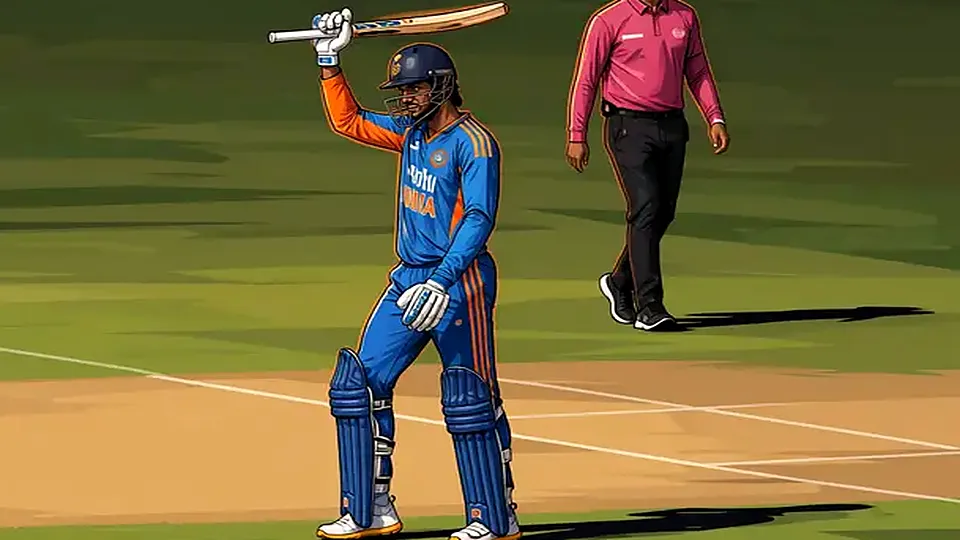
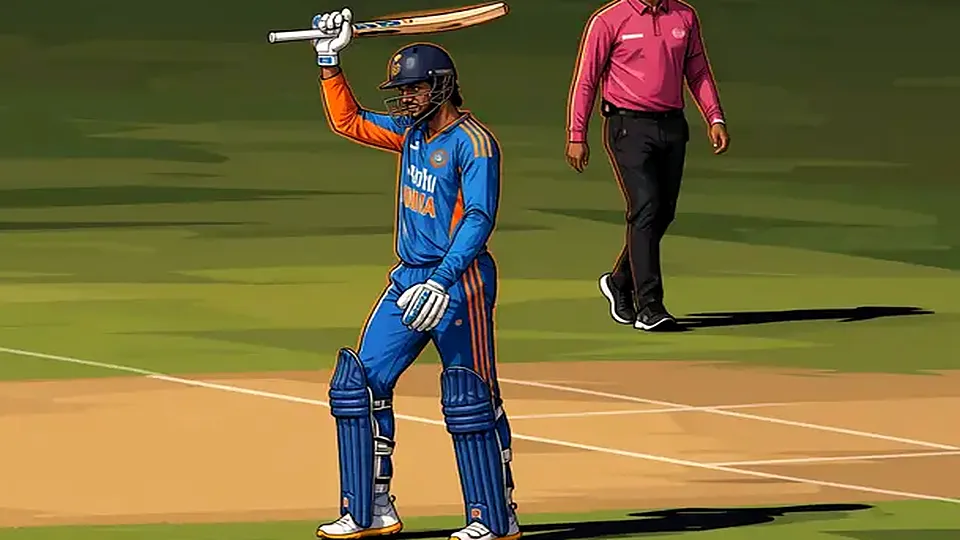
The new ball did the talking. Not the bat. Not the fielding. The leather itself, skidding off the hard, dry soil of the ground in Dhaka, kept hitting the same patch on the pad. For three sessions, that was enough. But by the time the dew factor kicked in after 8:30 PM IST, the narrative shifted. India won, but the win felt like a loan they had to repay later. It wasn't a victory of dominance; it was a victory of survival against a Bangladesh side that played with reckless optimism.
Why the Middle-Overs Choke Keep Happening
Every time India enters the middle overs, between the 10th and 30th, the rhythm dies. You see it in the strike rate. You hear it in the dressing-room chatter. The spinners bowl into the pitch, which is fine for the first half, but then the batting side adapts. They stop playing the defensive shots. They start hitting through the gaps. Is it because the new-ball burst fades? No. It is because the tactical board is static.
- Boundary-percentage drops: India’s top order scored only 42% boundaries in the middle overs.
- Field placement: Three men inside the circle when two would suffice.
- Impact Player gamble: Swapping a bowler for a batter too late in the innings.
Nobody in the dugout bought that excuse. The captain knows. The coach knows. But the system resists change. It’s comfortable. Comfortable is dangerous. In today’s fast-paced world of analytics, we rely on data, but data without context is just noise. And right now, the middle overs are noise.
The Betting Floor Mirror
Here is where the story gets weird. Or rather, where it aligns perfectly with the broader cultural shift in Indian sports consumption. The surge in instant Upi & crypto gaming news isn't accidental. It’s a direct reflection of how fans engage with cricket. They don’t want a two-hour summary. They want the moment. The tick. The flip. Crypto gaming platforms leverage this by offering real-time micro-bets on runs, wickets, and fielding errors. And they exploit the exact same weakness: the lack of immediate reaction from the team.
When a fan sees the middle-overs choke developing, they hedge. They use their instant Upi balance to shift from predicting a win to predicting a specific number of runs in the next six overs. It’s a psychological game. The team is trying to stabilize. The market is trying to capitalize on the instability. This is why the SEO focus on 'instant upi & crypto gaming news' is so relevant. It’s not just about gambling. It’s about the commodification of uncertainty.
| Aspect | Team Strategy | Betting Market |
|---|---|---|
| Reaction Time | Sluggish (20+ minutes) | Instant (Seconds) |
| Focus | Long-term win | Short-term gain |
| Risk Profile | Low (Conservative) | High (Speculative) |
This mismatch is fascinating. The BCCI talks about 'process' and 'structure.' The crypto gaming sector talks about 'speed' and 'liquidity.' They are two sides of the same coin. And the middle-overs choke? It’s the friction point. It’s where the structure fails, and the speed exploits it.
What Actually Happened on the Field
Let’s strip away the hype. Bangladeshi batsmen used the soft hands of the Indian fielders. They hit the short square on the off side with reckless ease. That’s not skill. That’s desperation. But it worked. Because India didn’t rotate the attack. They kept the same bowlers, the same lengths, the same field. The skiddy hard length stopped skidding. It started bouncing. And the batters adjusted. Simple. Brutal. Effective.
The dew factor made the last ten overs a different game. It’s a sticky red-soil track in spirit, even if the surface is hard. The ball stops dead. The batters can attack. India’s death-bowling was decent, but it lacked the variety to surprise. You need mystery. You need a left-armer bowling at the death when everyone expects the fast bowler. You need a change of line. It’s not rocket science. It’s cricket.
So, what’s the takeaway for the Hyderabad desk? We report on the match. But we also report on the shift in how it’s consumed. The instant Upi & crypto gaming news isn’t a side-quest. It’s the main event. It’s the feedback loop that tells us where the strategy is failing. The public is voting with their wallets, in real-time. And they’re voting against the status quo.
We need to stop treating analytics as a post-match autopsy. It has to be a live intervention. If the data shows the middle overs are choking, we change the plan in the 15th over. Not the 40th. Not the 60th. Now. That’s the only way to win. Not just the match, but the mind-share of the fan who is tapping their UPI app while watching the ball fly wide.
Related coverage
- India hold their nerve; NZ shake up attack ahead of high-stakes clash
- Mumbai Nets: Why Neetu David’s Power Hitting Drill Is Changing Women's WPL

Updated 2026-11-02 · Instant Rupee Deposits & 60s Withdrawals · 24/7 Support.
Access Official TheCoinbaseNews Portal →Head of Telemetry & Records · Chennai Desk
Ritika Verma heads the statistical modeling desk at TheCoinbaseNews in Chennai. She specializes in ball-by-ball telemetry, historical chart patterns, and data verification for instant upi & crypto gaming news.
Reader Discussion & Match Reactions (4)4.8★ Community (4 Comments)
Verified Indian cricket reader perspectives & tactical debate on thecoinbasenews.com
Vikram cites Dhaka soil, but we should hear more about our own Ranji grounds. If state associations don't fix pitch drainage, WPL teams will keep struggling with skidding new balls just like India did here.
That 42% boundary stat is brutal. Hitting through the gaps is smart, but if the strike rate dies after the 10th over, the Impact Player swap is too late. We need data models that adjust field placement in real time.
The board says 'comfortable is dangerous,' but they keep the same tactical board. Relying on dew at 8:30 PM is a risk, not a plan. This 'loan' victory will come due in the next series when the pitch doesn't help you.
@Anirudh_Guwahati You make a point about state pitches, but this article highlights Dhaka specifically. India's top order only scored 42% boundaries in the middle overs because three men were inside the circle when two would suffice.
Join the Discussion (4 Reader Comments)
Related Articles
See All
Jennings hopes match
Jul 28, 2026

Instant Upi & Crypto Gaming News: Complete 2026 India Guide, Live Updates & Verified Access
Oct 17, 2026